Categories
Tags
-
#stock market
#Tools
#learning
#productivity
#management
#skills
#work
#Television
#Entertainment
#Technology
#Business
#Career
#Advice
#social media
#video games
#gaming
#Financial Literacy
#Blockchain
#business growth
#trends
#investing
#Digital Marketing
#Artificial Intelligence
#Leadership
#startups
#Infrastructure
#personal growth
#cloud computing
#streaming
#personal development
#storytelling
#Digital Transformation
#entertainment industry
#metaverse
#career growth
#cybersecurity
#opportunity
#business strategy
#Financial Planning
#geography
#software engineering
#careers
#personal finance
#content creation
#entrepreneurship
#Professional Development
#Web3
#Product Development
#edge computing
#passive income
#social media strategy
#Industry Analysis
#Esports
#career development
#Workflow
#Economics
#Focus
#Online Presence
#Authenticity
#Industry Trends
#goal setting
#Gaming Industry
#Time management
#Work-life balance
#REMOTE WORK
#work culture
#Efficiency
#technology trends
#Financial independence
#Technology Adoption
#consumer behavior
#business trends
#Side Hustle
#professional growth
#technology strategy
#digital tools
#Team Building
#Pricing
#digital ownership
#digital privacy
#distributed work
#money management
#budgeting
#saving
#wealth building
#team dynamics
#digital economy
#pop culture
#algorithms
#cultural trends
#business habits
#personal branding
#authentic content
#enterprise technology
#music streaming entertainment industry artists dig
#work habits
#digital presence
#online habits
#community
#savings strategy
#habits
#risk-taking
#startup culture
#business technology
#digital culture
#skill development
#skill building
#workplace advancement
#music industry
#artist entrepreneurship
#live entertainment
#creator economy
#celebrity culture
#founder mindset
#decision-making
#long-term thinking
#pop culture analysis
#power dynamics
#social accountability
#cultural analysis
#market competition
#digital spending
#narrative design
#interactive media
#workflow optimization
#workplace culture
#smartphone innovation
#consumer tech
#upgrade cycle
#side hustles
#career strategy
#modern work
#technology consolidation
#startup economics
#music streaming
#spotify economics
#artist compensation
#album culture
#business culture
#organizational growth
#income strategy
#business models
#income generation
#market validation
#audience building
#GPU shortage
#technology infrastructure
#tech industry consolidation
#antihero
#delegation
#organizational strategy
#salary negotiation
#financial strategy
#fixed expenses
#financial flexibility
#lifestyle inflation
#career decisions
#decision making
#technology careers
#professional advancement
#workplace dynamics
#job market
#technology culture
#mentorship
#workplace advice
Archives
The Concert Economy Is Creating a New Class of Artist-Entrepreneurs
-
Posted by Marcus Thompson Filed in Entertainment #business strategy #music industry #artist entrepreneurship #live entertainment #creator economy 152 views
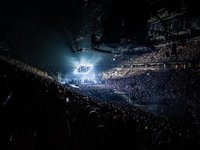
I went to a live show last month and realized something that's been quietly reshaping the entire entertainment industry. The artist spent maybe forty minutes on stage, but that night represented months of strategic planning, pricing psychology, and direct fan relationships that would make any business founder jealous.
Here's what most people don't see: the economics of live entertainment have fundamentally inverted. It used to be that touring supported album sales. Now the opposite is true. Musicians treat recorded music as marketing for the real revenue generator, which is the live experience. But the shift goes deeper than that. Artists are becoming sophisticated operators in their own right, handling everything from dynamic pricing to merchandise strategy to fan loyalty programs.
I talked to an independent artist recently who splits her time between recording and managing her own touring logistics. She's basically running a small business that generates six figures annually, but she never signed with a traditional label. She owns her master recordings, controls her release schedule, and uses data analytics to decide which cities to tour. She's more entrepreneur than artist in the modern sense, and she's far from alone.
The tools that enable this have democratized something that was previously gatekept by major labels and promoters. A mid-level artist can now use direct-to-fan platforms, pre-order systems, and real-time analytics to understand exactly what their audience wants and how to monetize it. They can negotiate better terms because they have alternatives. They can build sustainable careers without needing permission from establishment gatekeepers.
This matters because it's attracting a different type of person to music. People who are creatively talented but also strategically minded are choosing music careers they might have avoided ten years ago because the business model was too opaque and exploitative. The music industry is beginning to look less like a traditional entertainment business and more like a creator economy where talent plus business acumen actually wins.
The question I keep thinking about is whether this shift ultimately makes music better or just shifts power around without improving the art itself. What's your take? Are you seeing this change reflected in the artists you actually follow and support?