Categories
Tags
-
#energy
#strategy
#fitness
#Travel
#adventure
#swimming
#skills
#training
#sports
#Health
#Sleep
#Competitive Advantage
#Challenge
#Friendship
#Motivation
#Volleyball
#recovery
#Nutrition
#hiking
#basketball
#supplements
#personal growth
#protein
#gym
#hydration
#mental health
#wellness
#camping
#shooting
#prediction
#strength training
#digestion
#Mountain Biking
#Travel adventures
#gut health
#Sports Community
#Cycling
#Personal Training
#Surfing
#World Travel
#Daily nutrition
#equipment
#Esports
#competition
#Performance
#Sports performance
#walking
#Outdoor Sports
#running
#Fitness Goals
#Sports Nutrition
#technique
#Water Sports
#Fitness Journey
#outdoor adventure
#gaming community
#Outdoor Recreation
#humility
#fear
#Outdoor Adventures
#mindfulness
#Adventure Travel
#mentality
#Mountain exploration
#Micronutrients
#performance optimization
#ocean
#Confidence
#group travel
#Resilience
#mindset
#Healthy Eating
#Road Trips
#team sports
#camaraderie
#competitive gaming
#mental toughness
#gaming tournaments
#athlete mindset
#rock climbing
#personal challenge
#fitness mindset
#exploration
#athletic performance
#rest
#gym workouts
#fitness motivation
#personal transformation
#exercise consistency
#extreme sports
#adrenaline
#limits
#thrill-seeking
#outdoor exploration
#bucket list
#thrill seeking
#mountain climbing
#sports tips
#fitness fuel
#training diet
#sports science
#athletic recovery
#rest and recovery
#marathon training
#endurance sports
#competitive spirit
#athletic growth
#adventure sports
#fitness challenges
#community
#wilderness
#endurance
#trail
#pushing limits
#living fully
#teamwork
#dedication
#mental performance
#level up
#fitness training
#discipline
#gym training
#ocean adventure
#wave riding
#training recovery
#ocean training
#solo training
#group rides
#bike setup
#road cycling
#bike commuting
#urban riding
#daily training
#gravel cycling
#adventure bikes
#off-road riding
#cycling exploration
#climbing
#cycling training
#training philosophy
#fitness transformation
#endurance training
#winter cycling
#cold weather training
#bike fitness
#nervous system
#open water
#athletic challenge
#cross-training
#courage
#night training
#fitness breakthrough
#wipeouts
#dawn patrol
#early morning training
#ocean fitness
#ball handling
#midrange game
#fundamentals
#skill development
#shooting technique
#footwork
#defense
#competitive training
#cultural connection
#self-discovery
#messengers
#urban biking
#overcoming obstacles
#cycling technique
#cadence training
#endurance fitness
#pedal efficiency
#injury prevention
#leg strength
#muscle development
#performance gains
#fitness science
#commute
#distance training
#lateral movement
#pool training
#athletic development
#cold water swimming
#open water training
#swimming challenges
#sprint swimming
#athletic adaptation
#high intensity intervals
#flip turns
#athletic training
#pool workouts
#solo swimming
#athletic motivation
#water fitness
#solo travel
#distance running
#nutrition strategy
#race fueling
#race preparation
#pace groups
#race strategy
#running community
#base building
#aerobic fitness
#running foundation
#running strategy
#compound lifts
#gym motivation
#consistency over intensity
#strength building
#personal discipline
#gym fitness strength training adaptation progressi
#fitness metrics
#progressive overload
#fitness fundamentals
#form and technique
#muscle gain
#gym routine
#fitness strategy
#training strategy
#rest days
#inflammation management
#fitness optimization
#training balance
#active recovery
#burnout prevention
#training methodology
#body adaptation
#training adaptation
#body awareness
#ocean sports
#adaptation
#progression
#cold water
#travel adventure
#getting lost
#altitude
#authentic experiences
#risk taking
#border crossing
#travel mindset
#transformative travel
#competitive athletics
#group competition
#pre-workout fuel
#body performance
#carbohydrate timing
#post-workout recovery
#fitness recovery
#electrolytes
#training optimization
#lineup mentality
#surfing skills
#surfing progression
#double sessions
#wave strategy
#fitness gains
#real food
#endurance fuel
#workout performance
#glycogen
#fuel strategy
#fitness habits
#mineral deficiency
#whole foods
#nutrition basics
#food quality
#performance fuel
#health optimization
#fueling
#body composition
#carbs
#athlete performance
#training fuel
#hydration strategy
#competitive edge
#carb cycling
#training fueling
#endurance racing
#psychological preparation
#endurance running
#distance racing
#running fitness
#recovery cycles
#backcountry camping
#hiking adventures
#mountain travel
#wilderness challenge
#backcountry
#camping strategy
#hiking tips
#outdoor gear
#basecamp
#wilderness adventure
#solo hiking
#backcountry adventure
#trail fitness
#gear obsession
#trail running
#night hiking
#trail training
#outdoor skills
#athlete fuel
#performance mindset
#protein intake
#recovery optimization
#diet strategy
#cold water training
#training evolution
#sprints
#genetics
#training partners
#group fitness
#training fundamentals
Archives
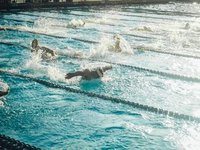
FREESTYLE SPRINTS VERSUS DISTANCE: WHY MOST SWIMMERS ARE TRAINING THE WRONG EVENT FOR THEIR GENETICS
-
Posted by Jake Rivera Filed in Sports #swimming #training #athletic performance #sprints #genetics 25 views
I spent three years chasing distance records before a brutal reality check knocked me sideways. I was grinding 5,000 meter sets, building endurance, competing in the long course events at every meet. My times were decent, respectable even, but something felt off. I wasn't dominating. I wasn't leaving other swimmers in my wake. I was just... surviving the workout.
Then I switched to sprints. Fifty and one hundred meter freestyle. And everything changed.
Here's what nobody tells you about swimming: your body has a genetic blueprint that determines whether you're built for explosive power or aerobic capacity. I'm talking about fast twitch versus slow twitch muscle fiber composition. Most swimmers get slotted into distance training because it's easier to coach, easier to measure progress, and frankly, easier to not get absolutely destroyed in practice. But if you're a fast twitch athlete trying to grind distance sets, you're not just swimming inefficiently. You're literally fighting against your biology.
I didn't understand this when I started. I was twenty-two years old, freshly out of college where I'd been a serviceable 200 meter guy. My coach suggested I drop down to sprints. My ego pushed back hard. Distance swimming felt more impressive, more hardcore, more worthy of respect. Fifty meters seemed lazy by comparison. Turns out I was backwards on everything.
The transition was humbling. My first sprint set absolutely destroyed me in ways the long distance work never did. Those fifty meter repeats with minimal rest intervals are metabolically violent. Your body doesn't have time to settle into a steady state. You're recruiting every available fiber, hitting anaerobic thresholds that feel like your lungs are being set on fire. The first two weeks I was contemplating quitting.
But by week four, something clicked. My times started dropping. Not incrementally dropping. Dropping hard. Within two months I was competitive at regional level sprints. Within six months I qualified for nationals in the 100 free. Within a year I was seeing times I never would have touched in distance swimming.
The difference came down to training smarter, not harder. Sprinters don't need the mileage that distance guys accumulate. We need power development, explosive starts, race-specific intensity. We need short, brutal efforts with adequate recovery between sets so the nervous system can fire properly. This is the opposite of what every distance coach had programmed into me. Instead of swimming tired, I was learning to swim fresh and fast.
Here's the kicker though: most swimmers never make this switch because admitting you're not a distance swimmer feels like admitting defeat. There's this cultural bias in the sport that says distance is where the real warriors train. That's garbage. A true sprinter destroying a fifty meter race is exhibiting more power and athleticism than someone grinding out slow miles.
I'm not saying distance swimming is easy or unworthy. I'm saying that if you're getting recruited into the distance squad because you're young or because the coach needs bodies on the roster, you owe it to yourself to test your actual genetic potential in sprints. Train what your body wants to do, not what feels respectable on paper.
The mental shift was just as important as the physical one. Sprinting requires confidence you can't build through endless aerobic work. Every fifty meters matters completely. There's no hiding in the middle of a 5,000 meter set. You're either fast or you're not. This naked honesty about performance forced me to get serious about technique, nutrition, sleep, and mental preparation in ways I'd never done before.
If you're swimming right now and feeling mediocre despite putting in massive yardage, I'd challenge you to ask yourself one question: are you training for the event that matches your genetic makeup, or are you training for the event that sounds more impressive when you tell people about it?
Get tested. Find out if you're built for speed or endurance. Then chase the path that actually matches your body instead of fighting against it every single day.