Categories
Tags
-
#energy
#strategy
#fitness
#Travel
#adventure
#swimming
#skills
#training
#sports
#Health
#Sleep
#Challenge
#Friendship
#Motivation
#Volleyball
#recovery
#Nutrition
#hiking
#basketball
#supplements
#personal growth
#protein
#gym
#hydration
#mental health
#wellness
#camping
#shooting
#prediction
#strength training
#digestion
#Mountain Biking
#Travel adventures
#gut health
#Sports Community
#Cycling
#Personal Training
#Surfing
#World Travel
#Daily nutrition
#equipment
#Esports
#competition
#Performance
#Sports performance
#walking
#Outdoor Sports
#running
#Fitness Goals
#Sports Nutrition
#technique
#Water Sports
#Fitness Journey
#outdoor adventure
#gaming community
#Outdoor Recreation
#humility
#fear
#Outdoor Adventures
#mindfulness
#Adventure Travel
#mentality
#Mountain exploration
#Micronutrients
#performance optimization
#ocean
#Confidence
#group travel
#Resilience
#mindset
#Healthy Eating
#Road Trips
#team sports
#camaraderie
#competitive gaming
#mental toughness
#gaming tournaments
#athlete mindset
#rock climbing
#personal challenge
#fitness mindset
#exploration
#athletic performance
#rest
#gym workouts
#fitness motivation
#personal transformation
#exercise consistency
#extreme sports
#adrenaline
#limits
#thrill-seeking
#outdoor exploration
#bucket list
#thrill seeking
#mountain climbing
#sports tips
#fitness fuel
#training diet
#sports science
#athletic recovery
#rest and recovery
#marathon training
#endurance sports
#competitive spirit
#athletic growth
#adventure sports
#fitness challenges
#community
#wilderness
#endurance
#trail
#pushing limits
#living fully
#teamwork
#dedication
#mental performance
#level up
#fitness training
#discipline
#gym training
#ocean adventure
#wave riding
#training recovery
#ocean training
#solo training
#group rides
#bike setup
#road cycling
#bike commuting
#urban riding
#daily training
#gravel cycling
#adventure bikes
#off-road riding
#cycling exploration
#climbing
#cycling training
#training philosophy
#fitness transformation
#endurance training
#winter cycling
#cold weather training
#bike fitness
#nervous system
#open water
#athletic challenge
#cross-training
#courage
#night training
#fitness breakthrough
#wipeouts
#dawn patrol
#early morning training
#ocean fitness
#ball handling
#midrange game
#fundamentals
#skill development
#shooting technique
#footwork
#defense
#competitive training
#cultural connection
#self-discovery
#messengers
#urban biking
#overcoming obstacles
#cycling technique
#cadence training
#endurance fitness
#pedal efficiency
#injury prevention
#leg strength
#muscle development
#performance gains
#fitness science
#commute
#distance training
#lateral movement
#pool training
#athletic development
#cold water swimming
#open water training
#swimming challenges
#sprint swimming
#athletic adaptation
#high intensity intervals
#flip turns
#athletic training
#pool workouts
#solo swimming
#athletic motivation
#water fitness
#solo travel
#distance running
#nutrition strategy
#race fueling
#race preparation
#pace groups
#race strategy
#running community
#base building
#aerobic fitness
#running foundation
#running strategy
#compound lifts
#gym motivation
#consistency over intensity
#strength building
#personal discipline
#gym fitness strength training adaptation progressi
#fitness metrics
#progressive overload
#fitness fundamentals
#form and technique
#muscle gain
#gym routine
#fitness strategy
#training strategy
#rest days
#inflammation management
#fitness optimization
#training balance
#active recovery
#burnout prevention
#training methodology
#body adaptation
#training adaptation
#body awareness
#ocean sports
#adaptation
#progression
#cold water
#travel adventure
#getting lost
#altitude
#authentic experiences
#risk taking
#border crossing
#travel mindset
#transformative travel
#competitive athletics
#group competition
#pre-workout fuel
#body performance
#carbohydrate timing
#post-workout recovery
#fitness recovery
#electrolytes
#training optimization
#lineup mentality
#surfing skills
#surfing progression
#double sessions
#wave strategy
#fitness gains
#real food
#endurance fuel
#workout performance
#glycogen
#fuel strategy
#fitness habits
#mineral deficiency
#whole foods
#nutrition basics
#food quality
#performance fuel
#health optimization
#fueling
#body composition
#carbs
#athlete performance
#training fuel
#hydration strategy
#competitive edge
#carb cycling
#training fueling
#endurance racing
#psychological preparation
#endurance running
#distance racing
#running fitness
#recovery cycles
#backcountry camping
#hiking adventures
#mountain travel
#wilderness challenge
#backcountry
#camping strategy
#hiking tips
#outdoor gear
#basecamp
#wilderness adventure
#solo hiking
#backcountry adventure
#trail fitness
#gear obsession
#trail running
#night hiking
#trail training
#outdoor skills
Archives
MICRONUTRIENTS: THE PERFORMANCE MULTIPLIER EVERYONE IGNORES
-
Posted by Jake Rivera Filed in Sports #Sports Nutrition #Micronutrients #athletic performance #training optimization #mineral deficiency 16 views
I used to think sports nutrition was simple. Eat protein, eat carbs, drink water, go hard. That worked fine until it didn't. I plateaued hard around year three of serious training. My times stopped dropping. My recovery sucked. I felt sluggish on runs that should have felt explosive. I was doing everything "right" and getting nowhere, which is way more frustrating than being a beginner who doesn't know better.
Then I started digging into the actual science of what makes elite athletes different at the cellular level. Not the flashy stuff everyone talks about. Not macros. Not timing. Micronutrients. Minerals. Vitamins. The unsexy stuff that nobody gets excited about because you can't build a supplement empire on the boring fundamentals that actually work.
Here's what blew my mind: most athletes are deficient in multiple micronutrients while obsessing over their protein intake. I was one of them. I got bloodwork done and discovered I was running low on magnesium, iron, and vitamin D. Low. This explained why my legs felt heavy, why I couldn't recover properly, and why my mental game was off. I wasn't broken. I was just operating at sixty percent capacity because I was missing the building blocks my body needed to function at full throttle.
Magnesium alone changed my life. This mineral is involved in over three hundred enzymatic reactions in your body. It helps muscles relax after contracting. It regulates your nervous system. It improves sleep quality. Most athletes are chronically depleted because we sweat it out, we don't eat enough of it, and we stress our bodies without replacing it. I started supplementing and within two weeks my sleep improved dramatically. Within a month, my recovery between hard efforts felt completely different. Faster. Cleaner.
Iron hit differently too. I'm not anemic, but I was on the lower end of normal. For endurance athletes, especially runners, this matters. Iron carries oxygen to your muscles. Every aerobic effort depends on it. Low iron means your VO2 max suffers. It means you fatigue faster. It means your breathing feels labored at efforts that should feel controlled. I added iron-rich foods and a targeted supplement and suddenly my tempo runs felt like I had a superpower.
Vitamin D was the third piece. I trained in the early mornings and late evenings. I wasn't getting sun exposure. Vitamin D regulates calcium absorption, immune function, and mood. Low D meant my immune system was compromised, I was catching everything going around, and my motivation was dragging. Nobody talks about vitamin D's role in athletic performance, but it's massive. Getting levels optimized changed how I felt mentally during training.
The game changer was getting comprehensive bloodwork. Not the basic stuff your doctor runs. Real micronutrient panels that show your actual status on everything from B vitamins to zinc to selenium. Most athletes are operating blind, assuming they're fine because they feel okay, but feeling okay and performing at your ceiling are different animals.
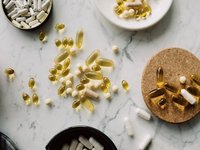
I started treating micronutrients like the performance multiplier they actually are. I dial in my food sources first. Leafy greens for magnesium. Red meat for iron. Mushrooms when possible for vitamin D support. Real food over supplements whenever I can. But I'm also realistic that whole foods alone aren't always enough for someone pushing their limits regularly. Strategic supplementation filled the gaps.
The results were undeniable. My times dropped again. My recovery improved. My body composition shifted. My energy stayed stable through workouts instead of crashing. My mood improved. My sleep got deeper. This is what happens when you stop looking for shortcuts and actually address what your body needs to perform.
Most people are one bloodwork panel away from a massive breakthrough. They're not undertrained. They're not genetically limited. They're just deficient in the minerals and vitamins their body literally cannot function without. It's not sexy. It's not complicated. But it's the difference between being good and being great.
Get your bloodwork done. Find out what you're actually deficient in. Stop guessing. Stop following what works for Instagram athletes. Get specific. Get dialed. Then watch what happens.
What micronutrient imbalance do you think might be holding back your performance right now?