Categories
Tags
-
#energy
#strategy
#fitness
#Travel
#adventure
#swimming
#skills
#training
#sports
#Health
#Sleep
#Challenge
#Friendship
#Motivation
#Volleyball
#recovery
#Nutrition
#hiking
#basketball
#supplements
#personal growth
#protein
#gym
#hydration
#mental health
#wellness
#camping
#shooting
#prediction
#strength training
#digestion
#Mountain Biking
#Travel adventures
#gut health
#Sports Community
#Cycling
#Personal Training
#Surfing
#World Travel
#Daily nutrition
#equipment
#Esports
#competition
#Performance
#Sports performance
#walking
#Outdoor Sports
#running
#Fitness Goals
#Sports Nutrition
#technique
#Water Sports
#Fitness Journey
#outdoor adventure
#gaming community
#Outdoor Recreation
#humility
#fear
#Outdoor Adventures
#mindfulness
#Adventure Travel
#mentality
#Mountain exploration
#Micronutrients
#performance optimization
#ocean
#Confidence
#group travel
#Resilience
#mindset
#Healthy Eating
#Road Trips
#team sports
#camaraderie
#competitive gaming
#mental toughness
#gaming tournaments
#athlete mindset
#rock climbing
#personal challenge
#fitness mindset
#exploration
#athletic performance
#rest
#gym workouts
#fitness motivation
#personal transformation
#exercise consistency
#extreme sports
#adrenaline
#limits
#thrill-seeking
#outdoor exploration
#bucket list
#thrill seeking
#mountain climbing
#sports tips
#fitness fuel
#training diet
#sports science
#athletic recovery
#rest and recovery
#marathon training
#endurance sports
#competitive spirit
#athletic growth
#adventure sports
#fitness challenges
#community
#wilderness
#endurance
#trail
#pushing limits
#living fully
#teamwork
#dedication
#mental performance
#level up
#fitness training
#discipline
#gym training
#ocean adventure
#wave riding
#training recovery
#ocean training
#solo training
#group rides
#bike setup
#road cycling
#bike commuting
#urban riding
#daily training
#gravel cycling
#adventure bikes
#off-road riding
#cycling exploration
#climbing
#cycling training
#training philosophy
#fitness transformation
#endurance training
#winter cycling
#cold weather training
#bike fitness
#nervous system
#open water
#athletic challenge
#cross-training
#courage
#night training
#fitness breakthrough
#wipeouts
#dawn patrol
#early morning training
#ocean fitness
#ball handling
#midrange game
#fundamentals
#skill development
#shooting technique
#footwork
#defense
#competitive training
#cultural connection
#self-discovery
#messengers
#urban biking
#overcoming obstacles
#cycling technique
#cadence training
#endurance fitness
#pedal efficiency
#injury prevention
#leg strength
#muscle development
#performance gains
#fitness science
#commute
#distance training
#lateral movement
#pool training
#athletic development
#cold water swimming
#open water training
#swimming challenges
#sprint swimming
#athletic adaptation
#high intensity intervals
#flip turns
#athletic training
#pool workouts
#solo swimming
#athletic motivation
#water fitness
#solo travel
#distance running
#nutrition strategy
#race fueling
#race preparation
#pace groups
#race strategy
#running community
#base building
#aerobic fitness
#running foundation
#running strategy
#compound lifts
#gym motivation
#consistency over intensity
#strength building
#personal discipline
#gym fitness strength training adaptation progressi
#fitness metrics
#progressive overload
#fitness fundamentals
#form and technique
#muscle gain
#gym routine
#fitness strategy
#training strategy
#rest days
#inflammation management
#fitness optimization
#training balance
#active recovery
#burnout prevention
#training methodology
#body adaptation
#training adaptation
#body awareness
#ocean sports
#adaptation
#progression
#cold water
#travel adventure
#getting lost
#altitude
#authentic experiences
#risk taking
#border crossing
#travel mindset
#transformative travel
#competitive athletics
#group competition
#pre-workout fuel
#body performance
#carbohydrate timing
#post-workout recovery
#fitness recovery
#electrolytes
#training optimization
#lineup mentality
#surfing skills
#surfing progression
#double sessions
#wave strategy
#fitness gains
#real food
#endurance fuel
#workout performance
#glycogen
#fuel strategy
#fitness habits
#mineral deficiency
#whole foods
#nutrition basics
#food quality
#performance fuel
#health optimization
#fueling
#body composition
#carbs
#athlete performance
#training fuel
#hydration strategy
#competitive edge
#carb cycling
#training fueling
#endurance racing
#psychological preparation
#endurance running
#distance racing
#running fitness
#recovery cycles
#backcountry camping
#hiking adventures
#mountain travel
#wilderness challenge
#backcountry
#camping strategy
#hiking tips
#outdoor gear
#basecamp
#wilderness adventure
#solo hiking
#backcountry adventure
#trail fitness
#gear obsession
#trail running
#night hiking
#trail training
#outdoor skills
Archives
Fuel Your Beast: The Sports Nutrition Game Plan That Actually Works
-
Posted by Jake Rivera Filed in Sports #Sports Nutrition #Healthy Eating #athletic performance #fitness fuel #training recovery 87 views
Let me be real with you. For years, I thought I could just crush workouts and eat whatever I wanted. I was wrong. Dead wrong. It wasn't until I started paying serious attention to what I was putting in my body that everything changed. My lifts got stronger, my endurance skyrocketed, and I actually started feeling like the athlete I wanted to be. Sports nutrition isn't boring or complicated, and I'm here to tell you that mastering it is the competitive edge you've been missing.
Here's the truth that nobody wants to hear: you can't out-train a bad diet. I learned this the hard way after a brutal cycling trip through Colorado where I bonked halfway through because I hadn't eaten properly that morning. Since then, I've become obsessed with understanding how to fuel my body for maximum performance. Whether you're crushing it at the gym, running trails, competing in sports, or just pushing your limits on the regular, what you eat matters just as much as the work you put in.
Let's talk about the foundation first. Protein is your best friend. I'm talking about making it a priority at every single meal. When you're training hard, your muscles are breaking down and they need amino acids to rebuild stronger. I aim for about 0.7 to 1 gram per pound of bodyweight, and yeah, that means I eat a lot of chicken, fish, eggs, and protein shakes. But here's the game changer: I mix it up. Grass-fed beef, wild salmon, Greek yogurt, cottage cheese, even a good quality protein powder. Your body adapts to the same fuel sources, so keep it interesting and you'll stay motivated.
Carbs are not the enemy. This is where a lot of people mess up. Carbohydrates are literally your fuel for high-intensity work. Before a big workout or competition, I'm loading up on complex carbs like oats, sweet potatoes, brown rice, and whole grain pasta. The timing matters too. Get some carbs in about two to three hours before you train, and then immediately after your workout, hit your muscles with some fast-acting carbs and protein. This is when your body is primed to absorb nutrients and start the recovery process.
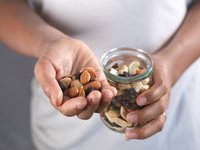
Fat gets overlooked way too often, and that's a mistake. Healthy fats are crucial for hormone production, joint health, and sustained energy. I'm talking avocados, nuts, olive oil, and fatty fish. Don't be scared of these foods. They've helped me recover faster and feel more stable throughout the day. Plus, they taste amazing.
Hydration is non-negotiable. I can't stress this enough. You lose more than just water when you sweat. You're losing electrolytes like sodium and potassium that your body needs to function properly. Plain water is great, but during intense or long training sessions, I use electrolyte drinks to replace what I'm losing. This has legitimately prevented cramps and kept my performance consistent through intense workouts.
Timing your nutrition is the secret weapon that separates good athletes from great ones. I've learned to eat a balanced meal about two to three hours before training, grab a quick snack with carbs and protein thirty minutes to an hour before I start, and then refuel hard within an hour after I finish. Recovery nutrition is just as important as pre-workout fuel because that's when your body actually builds muscle and adapts to the stress you've put it through.
The biggest shift for me has been treating nutrition like training. I plan my meals just like I plan my workouts. I meal prep on Sundays, keep a food journal, and I'm constantly experimenting to see what makes me feel and perform best. Some people thrive on higher carb diets, others do better with more fat. The key is finding what works for your body and your training style.
You've got to understand that your body is a machine, and you're the one responsible for choosing the fuel. Every bite is either taking you closer to your goals or further away. There's no neutral. Start paying attention. Start caring about what you eat the same way you care about your training, and I guarantee you'll see results that blow your mind.
So here's my challenge to you: for the next two weeks, actually track what you're eating and how you feel during your training. What changes do you notice? Let me know in the comments what you discover about your own nutrition.