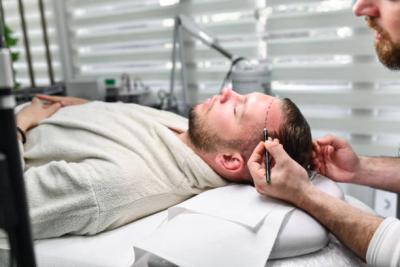
The Cost of Hair Transplants: Investment vs. Expense
-
When considering any elective surgery, the first question is almost always, "How much?" It is a fair question. A hair transplant is a significant financial commitment for most people. However, looking at the price tag in isolation often leads to "sticker shock" and discourages patients from pursuing a solution that could change their lives. To truly understand the value of hair restoration, it helps to reframe the conversation from a simple expense to a long-term investment.
Unlike buying a car or a luxury watch, buying a hair transplantation is buying something that becomes a permanent part of your body. It doesn't depreciate; in fact, its value often compounds over time in the form of confidence, career opportunities, and social ease. When you break down the numbers over a lifetime, the economics of hair restoration are often far more favorable than the temporary alternatives.
The Lifetime Cost of "Temporary" Fixes
Many men and women spend years trying to avoid surgery by using stop-gap measures. These seem cheaper month-to-month, but the cumulative cost is staggering.
-
Medications: A prescription for Finasteride and a supply of Minoxidil foam can cost $50 to $100 per month. Over 20 years, that is $12,000 to $24,000—often more than the cost of two transplants.
-
Hair Systems (Wigs/Toupees): High-quality hair systems require maintenance, specialized styling, and replacement every 6 to 12 months. The annual cost can easily exceed $2,000. Over a decade, you have spent $20,000 on hair that isn't even yours.
-
Concealers and Styling: Fibers, sprays, and thickening shampoos add up. Plus, there is the "time cost" of the 20 minutes spent every morning trying to arrange thin hair to cover a bald spot.
In contrast, a hair transplant is a one-time capital expenditure. Once the hair grows in, it is yours. It requires no special shampoos, no monthly maintenance fees, and no replacements. You wash it, cut it, and style it just like the rest of your hair.
The Geography of Price
The cost of a hair transplant varies wildly depending on where you have it done. In the United States, the UK, or Western Europe, clinics often charge by the graft. A 3,000-graft procedure might cost between $15,000 and $25,000. This pricing model puts the procedure out of reach for the average person.
This is where medical tourism hubs like Turkey have disrupted the market. Due to lower labor costs, lower facility overheads, and a favorable exchange rate, clinics in Istanbul can offer the same procedure—often using identical or superior technology—for $2,000 to $4,000. This price typically includes not just the surgery, but 5-star accommodation, VIP transfers, and post-op care. At a clinic like Gold City, the "all-inclusive" package means the price you see is the price you pay, with no hidden fees for extra grafts or medications.
The "Hidden Cost" of Cheap Surgery
While Turkey offers incredible value, there is a dangerous floor to the market. Some clinics offer transplants for as low as $1,000. These "budget" operations often cut costs by using unlicensed technicians instead of doctors, reusing disposable equipment, or rushing through multiple patients a day.
The cost of fixing a botched transplant is far higher than getting it right the first time. Repair surgeries are complex, require more skill, and often yield lower density because the donor area has been depleted. A $1,500 mistake can turn into a $10,000 repair job. When evaluating cost, you must factor in the "risk premium." Paying slightly more for a reputable, doctor-led clinic is an insurance policy against disaster.
The ROI of Confidence
Finally, there is the intangible return on investment (ROI). How do you put a price on walking into a job interview without worrying about your hairline? How much is it worth to go on a first date without wearing a hat? For many patients, the psychological burden of hair loss is heavy. It saps mental energy and affects self-esteem.
Lifting that burden has a ripple effect. Patients often report that after their surgery, they feel motivated to get back in the gym, dress better, and take more risks in their careers. The "confidence dividend" pays out every single day for the rest of your life.
Financing the New You
Recognizing that a lump sum can still be a hurdle, many clinics now offer financing options. Splitting the cost over 12 or 24 months can bring the monthly payment down to less than the cost of a daily coffee habit.
Value Over Price
Ultimately, the cheapest option is rarely the best, but the most expensive option isn't always necessary. The sweet spot lies in finding a clinic that offers medical excellence at a fair, transparent price. By viewing a Hair transplantation as a long-term investment in your personal brand and mental well-being, the cost becomes not just an expense, but a strategic decision for a better future.
-