
Polymer Testing Techniques for High Performance Tyres
-
Posted by Hasetri Tyres Filed in Business #rubbertestinglab #polymertesting #rubberresearchlab #tyretestinglab #tyrecertification 164 views
High performance tyres are engineered to deliver exceptional grip, stability, and durability under demanding driving conditions. Whether used in sports vehicles, premium passenger cars, or performance oriented commercial fleets, these tyres must withstand extreme speeds, aggressive cornering, and rapid braking. Achieving this level of reliability begins with advanced polymer testing. The quality of rubber compounds directly influences traction, rolling resistance, heat buildup, and wear life. Manufacturers rely on structured polymer testing within a certified tyre testing lab to validate compound integrity before moving toward large scale production. Without precise material analysis, consistent performance and successful tyre certification would not be possible.
By combining scientific evaluation with standardized procedures, laboratories ensure that high performance tyres meet safety and regulatory expectations across global markets.
Mechanical Polymer Testing for Strength and Durability
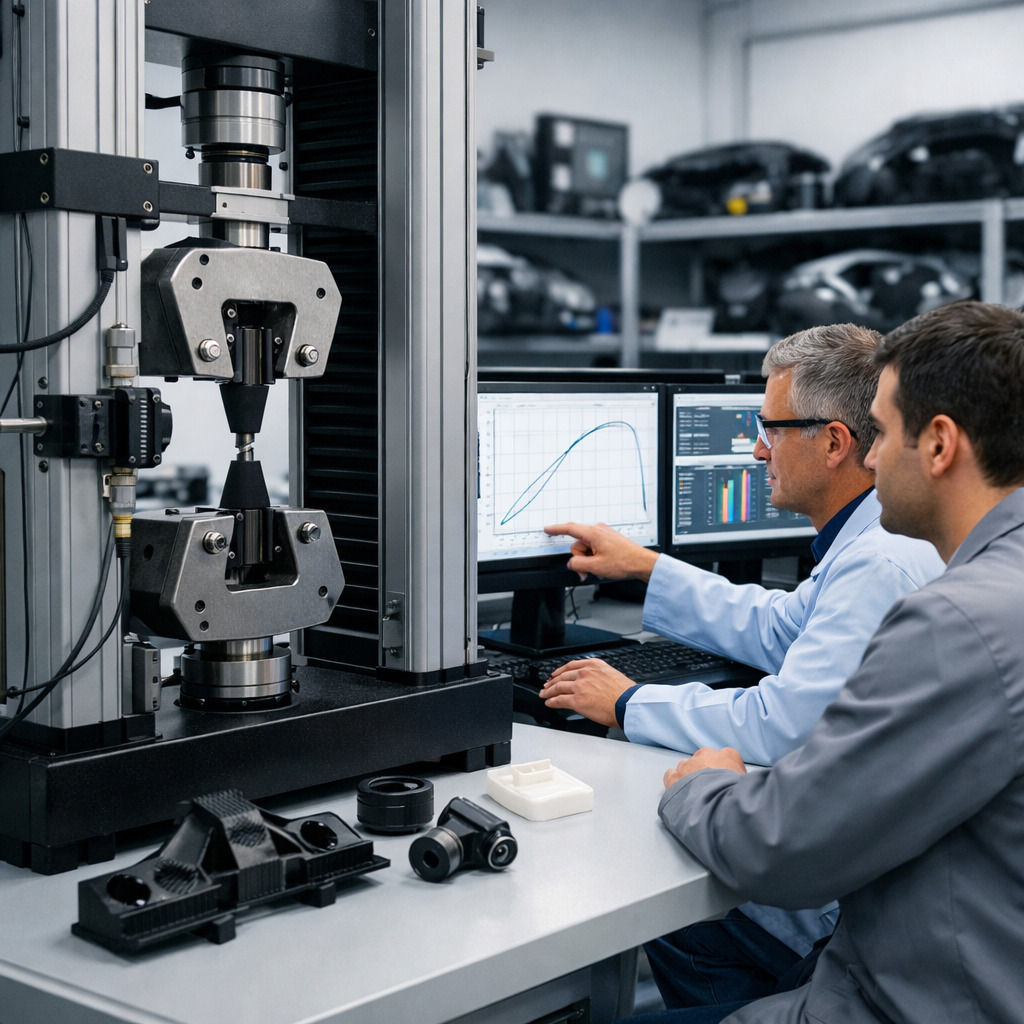
Mechanical performance forms the backbone of polymer testing for high performance tyres. Tensile strength testing measures how much force a rubber compound can withstand before breaking. Elongation at break evaluates flexibility, which is essential for absorbing road shocks and maintaining grip.
Hardness testing determines the resistance of the rubber surface to deformation. For high performance tyres, hardness must be optimized to balance traction and durability. Tear resistance testing assesses how well the compound resists crack propagation under stress.
Abrasion resistance testing is particularly critical. High performance tyres experience continuous friction at elevated speeds. Laboratory abrasion simulations help predict tread life and wear patterns. These mechanical evaluations are conducted under controlled conditions in a certified tyre testing lab, ensuring accuracy and repeatability.
Reliable data from mechanical polymer testing supports informed compound design decisions and strengthens the foundation for successful tyre certification.
Rheological and Thermal Analysis Techniques
Understanding curing behavior and heat resistance is essential for high performance tyre compounds. Rheological testing measures viscosity and curing characteristics during vulcanization. Proper crosslink density enhances durability and minimizes heat related degradation.
Dynamic Mechanical Analysis plays a vital role in advanced polymer testing. This technique evaluates viscoelastic properties across varying temperatures and frequencies. It provides insight into rolling resistance, grip performance, and energy dissipation. For high performance tyres, precise control of these properties directly impacts fuel efficiency and road handling.
Thermal aging tests simulate prolonged exposure to elevated temperatures. Heat buildup testing measures internal temperature rise during dynamic operation. Excessive heat can weaken structural integrity and reduce service life. Conducting these evaluations in a professional tyre testing lab ensures consistent environmental control and reliable results.
Thermal and rheological data are essential components of the documentation required for tyre certification, especially in markets with strict safety regulations.
Advanced Material Characterization Methods
Modern polymer testing goes beyond basic mechanical evaluation. Spectroscopic analysis techniques help identify chemical composition and detect inconsistencies in raw materials. Microscopic examination reveals filler dispersion and structural uniformity within the compound.
Density measurements and crosslink density analysis provide additional insight into compound stability. Fatigue testing evaluates how the rubber behaves under repeated loading cycles, simulating real world driving conditions. High performance tyres must endure millions of stress cycles without structural failure.
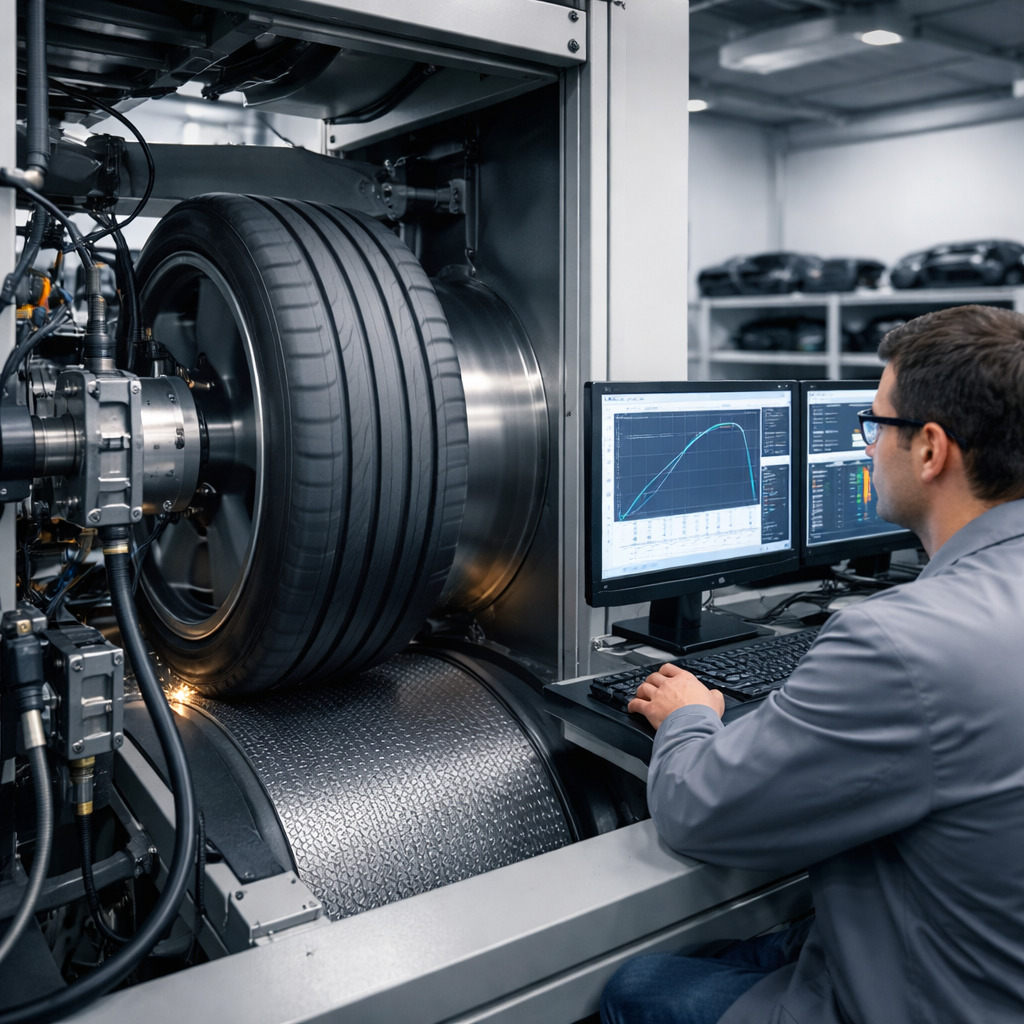
Rolling resistance testing is another critical parameter. Reduced energy loss improves fuel efficiency and reduces environmental impact. Many global authorities require rolling resistance data as part of the tyre certification process.
All these procedures are conducted within a certified tyre testing lab, where strict quality control ensures measurement accuracy. Standardized documentation supports compliance with international performance and safety standards.
Collaboration with Specialized Rubber Laboratories for Certification Success
The effectiveness of advanced polymer testing increases when manufacturers collaborate with a specialized rubber research lab. A rubber research lab focuses on compound innovation, optimizing elastomer blends for improved traction, durability, and thermal stability. Research findings are validated through structured testing before high performance tyres proceed to full scale evaluation.
A professional rubber testing lab complements this process by conducting detailed material characterization and performance validation. The technical expertise available within a rubber testing lab ensures that compound formulations meet the rigorous demands of modern vehicles and regulatory frameworks.
When data from a rubber research lab and a certified rubber testing lab are integrated with large scale performance validation in a professional tyre testing lab, manufacturers gain a comprehensive pathway toward reliable tyre certification. Accurate polymer testing, precise reporting, and adherence to global standards ensure that high performance tyres deliver safety, efficiency, and durability across diverse driving environments.
Also Read :