Categories
Tags
-
#carpet
#cooking
#Outdoor Rattan Set
#Leisure Chair
#Ice Maker Machine
#how to
#pet care
#cooling
#outdoor furniture
##clean #cleaning tips
#treadmill
# sports
#dog cages
#Corner Sofa Set
#Home Appliances
#Bedroom Shelving Ideas
#Rack Shelving
#rattan furniture
#air fryer
#Rattan Garden Furniture
#Best Barbeque grill
#dog crate
#noise control
#dog training
#metal sheds for sale
#Cooling Solutions
#Outdoor Living
#Storage solutions
##GardenTool
#shelves
#Garage Storage Solutions
#DIY Home
#Household Appliances
#BBQ grill
#Carpet flooring
#Crates for dogs
#healthy meals
#homegardening
#Puppy Training
##lifestyle
#BBQ cooking set
#kitchen tools
#garden sofa
#egg chair
#Hose Pipe
#UK Home
#bbq
#running machine
#walking pad
#garage shelving
##cooling
#rattan sofa
#Electric Fan
#watering
#heatwave
Archives
How to Keep Your Home Cool During a Heatwave
-
A few summers ago, a temperature above 25°C felt like a pleasant excuse to head to the garden or enjoy a cold drink outside. These days, it feels as though every summer brings another headline about record-breaking temperatures across Europe. Southern countries such as Spain, Italy and Greece have always dealt with intense heat, but recent heatwaves have shown that northern Europe is no longer immune.
The UK has felt that change too.
Many British homes simply weren't designed for long periods of hot weather. Thick insulation, brick walls and relatively small windows do a brilliant job of keeping warmth inside during winter. Unfortunately, they do exactly the same thing during a heatwave.
If you've ever walked into an upstairs bedroom at nine o'clock in the evening only to discover it still feels warmer than the garden outside, you'll know exactly what that means.
When temperatures start climbing, most people immediately begin searching for an electric fan or portable air conditioner. Those can certainly help, but they aren't always the first place to start. As someone who enjoys keeping a home comfortable without spending a fortune on electricity, I've learnt that small changes often make a bigger difference than expensive gadgets.
The good news is that staying cool isn't always about buying more. It's often about using what you already have much more effectively.
Your House Starts Heating Up Long Before You Feel It
One mistake many households make is waiting until the living room feels uncomfortable before doing anything.
By then, the heat has already built up inside the property.
Once brick walls, ceilings and furniture absorb warmth throughout the day, they continue releasing it well into the evening. That's why some homes still feel stuffy at midnight, even after the outdoor temperature has dropped.
Instead, think about preventing heat from entering your home in the first place.
As soon as the morning starts warming up, close curtains or blinds in rooms that receive direct sunlight. South-facing windows deserve particular attention because they can quickly turn a room into a greenhouse.
Blackout curtains are especially useful in bedrooms, but even ordinary curtains can reduce the amount of solar heat entering the room.
It might seem strange to keep windows closed on a sunny day, but when the air outside is hotter than the air indoors, opening every window can actually make your home warmer.
Save the fresh air for later.
The Best Time to Open Your Windows Isn't Midday
One of the simplest ways to keep your home cooler costs absolutely nothing.
Timing.
During a heatwave, many people leave windows open all day, assuming more fresh air automatically means a cooler house.
In reality, the opposite is often true.
When outside temperatures peak during the afternoon, warm air flows straight indoors and raises the temperature throughout the property.
A much better approach is to take advantage of the coolest parts of the day.
Open windows early in the morning while the air is still fresh.
Do the same late in the evening after the sun has gone down.
If possible, open windows on opposite sides of the house to encourage cross ventilation. Even a gentle breeze moving through the property helps remove trapped heat far more effectively than opening a single window.
You'll often notice the difference within twenty minutes.
Don't Underestimate What a Good Electric Fan Can Do
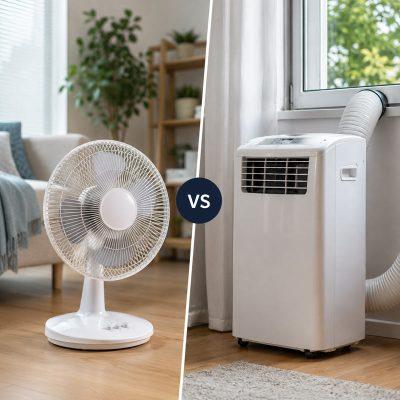
Every summer, portable air conditioners dominate the headlines, but for many households, a quality electric fan still offers the best balance between comfort and running costs.
The key is understanding what a fan actually does.
A cooling fan doesn't reduce the temperature of the room itself. Instead, it increases airflow around your body, helping sweat evaporate more efficiently. That process is what creates the cooling sensation.
Used properly, even a modest tower fan or bedroom fan can make a warm evening feel far more comfortable.
Placement matters just as much as the fan you buy.
Many people point a fan directly at themselves and leave it running all day. That works while you're sitting in front of it, but you can often achieve better results by positioning it near an open window during the evening.
The fan helps pull cooler outdoor air inside while pushing warmer indoor air back out.
If your home has windows at opposite ends, placing a fan to encourage airflow through the property can noticeably improve ventilation without using much electricity at all.
Some Rooms Need More Attention Than Others
Not every room heats up in the same way.
Loft conversions are usually the first to become uncomfortable because hot air naturally rises.
South-facing bedrooms often stay warmer for longer because they've absorbed sunlight throughout the afternoon.
Home offices filled with computers and monitors also generate extra heat without people realising it.
Rather than trying to cool your entire house equally, focus on the rooms you actually spend time in.
If you work from home, keeping one room comfortable makes far more sense than trying to cool every corner of the property.
Likewise, if sleeping has become difficult during a heatwave, concentrate your efforts on making the bedroom as cool as possible before bedtime.
Sometimes closing doors to unused rooms helps keep cooler air exactly where you need it.
Your Bedding Can Make a Bigger Difference Than Another Appliance
When people struggle to sleep during hot weather, they often assume they need a bigger fan.
Sometimes they simply need different bedding.
Heavy duvets, thick mattress toppers and synthetic blankets trap body heat surprisingly well.
Switching to lightweight cotton bedding can make warm nights far more manageable.
If your duvet feels excessive during a heatwave, don't feel obliged to use it just because it's normally on the bed.
Many households sleep perfectly comfortably under a simple cotton sheet during the hottest weeks of summer.
It's also worth remembering that mattresses store heat.
Turning your bedroom into a cool environment an hour before going to bed gives the mattress time to lose some of the warmth it collected throughout the day.
Even small improvements add up to a noticeably better night's sleep.
Heat Comes From Inside the House Too
We often blame the weather, but many everyday activities quietly make our homes warmer.
Using the oven for an hour during the hottest part of the afternoon fills the kitchen with unnecessary heat.
The same goes for tumble dryers.
Even lighting can contribute.
Traditional halogen bulbs produce far more heat than modern LEDs.
On particularly hot days, simple meals that require little cooking can help keep indoor temperatures lower.
A salad, sandwich or barbecue often makes far more sense than roasting something in the oven for two hours.
It's also worth delaying jobs like ironing or vacuuming until the evening if possible.
Every appliance generates some heat, and during a heatwave, every little reduction helps.
A Few Simple Tricks Can Make Your Fan Feel More Effective
A lot of people buy a new cooling fan, switch it on, and expect the room to feel dramatically colder within minutes. When that doesn't happen, they assume they've bought the wrong model.
In many cases, the fan isn't the problem. It's how it's being used.
One trick that's been around for years still works surprisingly well. Place a bowl of ice or a couple of frozen water bottles in front of the airflow. As the air passes over the ice, it feels noticeably cooler for a short period. It won't replace air conditioning, but if you're sitting at a desk or watching television in the evening, it can make the room much more pleasant.
Oscillation is another feature worth using. Rather than keeping the airflow fixed in one direction, let the fan move slowly across the room. This helps circulate the air more evenly and prevents one area from becoming comfortable while the rest of the room stays stuffy.
If you're using a tower fan in the bedroom, don't automatically place it beside the bed. Sometimes positioning it near the doorway or close to an open window creates much better airflow throughout the room.
Every home has its own layout, so don't be afraid to experiment. Moving a fan just a metre or two can completely change how well it performs.
Portable Air Conditioning Isn't Always the Answer
Every time Europe experiences another major heatwave, portable air conditioners seem to disappear from shop shelves almost overnight.
It's easy to see why.
The thought of pressing a button and instantly cooling a room is appealing, especially after a few sleepless nights.
But many first-time buyers are surprised by what portable air conditioning is actually like.
Most units are considerably louder than people expect. If you're hoping for complete silence while you sleep, you may be disappointed.
They also need somewhere to vent the hot air, which usually means fitting an exhaust hose into a partially open window. If that window isn't sealed properly, warm outdoor air can creep straight back inside, making the unit work even harder.
Then there's the running cost.
Compared with an electric fan, a portable air conditioner uses significantly more electricity. During a long heatwave, that difference becomes noticeable on your energy bill.
That doesn't mean portable air conditioning is a bad investment.
If your bedroom regularly stays above 28°C overnight or your home traps heat exceptionally well, it could make a real difference to your comfort.
For many households, though, it's worth trying a combination of better ventilation, sensible shading and a good bedroom fan before spending several hundred pounds.
Cooling Myths That Are Better Left on Social Media
Heatwaves always seem to bring a flood of "miracle" cooling tips online.
Some are genuinely useful.
Others sound convincing but achieve very little.
One common myth is leaving every window wide open throughout the day.
As we've already covered, if the outside air is hotter than the air inside, you're simply inviting more heat into your home.
Another popular suggestion is placing soaking wet towels all around the room.
While a damp cloth can create a slight cooling effect in very dry climates, British summers are often humid. Too much moisture indoors can make the air feel heavier and less comfortable rather than fresher.
People also underestimate how much direct sunlight affects indoor temperatures.
You don't necessarily need expensive reflective window film. Simply keeping curtains or blinds closed during the brightest part of the day often has a greater impact than many people expect.
Sometimes the simplest habits outperform the most creative internet hacks.
Looking After Children, Older Adults and Pets
Heat affects everyone differently.
Young children, older family members and pets often struggle more because they find it harder to regulate body temperature.
If you have children at home during the school holidays, encourage regular drinks even if they don't say they're thirsty. Playing indoors can be surprisingly warm, particularly in upstairs rooms.
For older relatives, keeping living spaces well ventilated and avoiding the hottest part of the afternoon can make a noticeable difference.
Pets deserve extra attention too.
Dogs and cats naturally look for cool spots around the house, so make sure they always have access to fresh water and shaded areas. Closing every curtain doesn't mean closing your pet away from airflow.
Many cats will happily stretch out on cool tiled floors, while dogs often appreciate a damp towel to lie on or a cooling mat designed for pets.
Never assume they're coping well simply because they aren't complaining.
Small Changes That Help Every Summer
One thing I've learnt over the years is that preparing your home for summer shouldn't begin during a heatwave.
A few small improvements made in advance can pay off every time temperatures rise.
Replacing heavy curtains with lighter options in south-facing rooms can reduce heat build-up.
Checking that windows open properly makes evening ventilation much easier.
Keeping a reliable portable fan or tower fan clean means it's ready to use the moment the weather changes, rather than discovering it's covered in dust when you need it most.
Dusting fan blades regularly is worth the effort too. A clean fan moves air more efficiently and keeps that dust from circulating around the room.
If you're thinking about replacing old bedding, consider breathable natural fabrics rather than purely synthetic materials. They often feel cooler against the skin and can make warm nights much easier to manage.
None of these changes are particularly expensive, yet together they create a home that's much more comfortable throughout summer.
Comfort Doesn't Have to Cost a Fortune
The recent European heatwaves have reminded many of us that hot summers are becoming less of an occasional surprise and more of a regular part of life.
That doesn't mean every household needs to rush out and install air conditioning.
For most homes, comfort comes from a combination of sensible habits rather than one expensive purchase.
Keeping the sun out during the day, letting cooler air in at the right time, choosing breathable bedding and making the most of a well-positioned electric fan can transform how your home feels without dramatically increasing your electricity bill.
If you do find yourself needing extra cooling during the hottest days of the year, you'll know exactly why you're buying it and how to use it effectively, rather than making a rushed decision in the middle of another heatwave.
After all, the goal isn't to turn your home into a refrigerated space. It's simply to create a place where you can cook dinner without overheating, enjoy an evening on the sofa and, perhaps most importantly, get a good night's sleep before another warm day begins.