The Future of Home Hydration: Next-Generation Ultra-Filtration
-
In an era where health-consciousness is at an all-time high, the quality of the water we drink has become a primary concern for households worldwide. While municipal water treatment plants do a commendable job, the journey water takes through aging pipes can often introduce unwanted particles and odors. To bridge this gap, a new wave of home water technology is emerging, headlined by the sophisticated UNDERSINK ULTRA-FILTRATION WATER SYSTEM.
This modern solution represents a significant leap forward from traditional "pitcher" filters, offering a blend of high-capacity output, advanced multi-stage filtration, and smart monitoring technology. By moving the filtration process under the sink, homeowners can enjoy a clutter-free kitchen while accessing bottled-water-quality liquid directly from their tap.
A Triple-Threat Approach to Pure Water
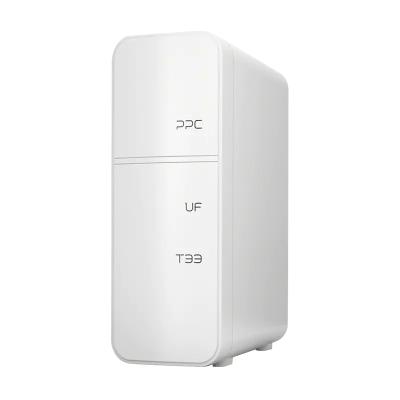
The secret to the effectiveness of this new ultra-filtration system lies in its meticulously designed three-stage process. Unlike basic filters that rely on a single medium, this system uses a "layered defense" strategy to ensure that every drop is scrubbed of impurities.
-
The PPC Composite Layer: The first line of defense is the PPC filter, which stands for PP (Polypropylene) + Carbon + PP. This composite design is a masterclass in efficiency. The outer layers trap physical sediment like rust, sand, and silt, while the integrated carbon core absorbs chlorine and organic chemicals that affect taste and smell. By combining these into one unit, the system maintains a compact footprint without sacrificing power.
-
The Ultra-Filtration (UF) Membrane: This is the heart of the system. The UF membrane features microscopic pores that are far finer than a human hair. It acts as a physical barrier, effectively blocking out bacteria, suspended solids, and other microscopic contaminants. The beauty of ultra-filtration is that it provides a high level of purity without the water waste often associated with older reverse osmosis technologies.
-
The T33 Post-Position Carbon Block: Even after two stages of intense cleaning, the water undergoes a final "polish." The T33 carbon block ensures that any lingering odors are eliminated, resulting in a crisp, refreshing taste that rivals high-end premium bottled water.
Smart Monitoring for Peace of Mind
One of the biggest hurdles for home water filtration has always been the "guessing game." Most users never know exactly when to change their filters or if the system is working at peak performance. The latest advancements in this UNDERSINK ULTRA-FILTRATION WATER SYSTEM solve this problem through a customizable LCD display.
This intelligent screen provides real-time data on Total Dissolved Solids (TDS), giving users a literal numerical value for their water quality. Furthermore, it tracks filter life with precision. Instead of marking a calendar or waiting for the water taste to change, the system proactively alerts the user when a filter is nearing the end of its life cycle.
In the event of a mechanical hiccup, the malfunction alert system kicks in. Whether it’s a pressure issue or a component error, the system communicates its needs directly to the homeowner, preventing any downtime and ensuring that the family never unknowingly drinks unfiltered water.
Beyond Just Clean: Health and Flavor
While removing contaminants is the priority, the modern consumer wants more than just "empty" water. Standard filtration can sometimes strip water of everything, leaving it tasting flat or slightly acidic. This new system addresses this by incorporating alkaline and remineralization features.
After the water is purified, it passes through a stage that adds back essential minerals like calcium and magnesium. This process balances the pH levels, creating alkaline water that many health enthusiasts believe helps neutralize acidity in the body. Beyond the health claims, remineralized water simply tastes better—it has a "roundness" and sweetness that pure distilled or basic filtered water lacks, making it ideal for brewing coffee, steeping tea, or cooking.
High Flow for the Modern Household
Efficiency isn’t just about purity; it’s about speed. Older filtration systems were notorious for their "trickle" flow, forcing users to wait minutes to fill a large pot for pasta. The latest ultra-filtration models have shattered this bottleneck, offering flow rates ranging from 400GPD to 800GPD (Gallons Per Day).
At 800GPD, the water flow is near-instant. This high-capacity output means the system can easily support a large family’s needs—from filling reusable water bottles for school to providing clean water for washing vegetables and cooking dinner—all without a drop in pressure.
Sustainable Living Made Simple
Beyond the immediate health benefits, switching to an undersink system is a major win for the environment. By providing high-quality water at home, these systems drastically reduce a household's reliance on single-use plastic bottles.
When you consider that the average family can go through hundreds of plastic bottles a year, the environmental footprint of a single ultra-filtration system is remarkably small. Furthermore, because ultra-filtration does not require a storage tank or produce the "brine" waste that reverse osmosis systems do, it is one of the most eco-friendly ways to achieve high-purity water.
Conclusion: A Worthy Investment in Wellness
As we look toward a future where "wellness" starts in the kitchen, the UNDERSINK ULTRA-FILTRATION WATER SYSTEM stands out as a critical tool. It combines the raw power of industrial-grade filtration with the "smart" features of modern appliances, all while fitting neatly out of sight.
Whether you are concerned about the aging infrastructure of your city, looking to improve the taste of your morning coffee, or simply wanting to ensure your family has the safest hydration possible, this system offers a comprehensive, easy-to-manage solution. It is no longer just about "filtering" water; it is about managing a vital resource with precision, intelligence, and a focus on long-term health.
-