Categories
Tags
-
##tool
#Carbide CNC inserts
#Precision Carbide Drill Bits
#chamfer tool
#Chamfer Tools
##cnc machine tool
##cnc tool
#feeler gauge
#turning insert
#knurling tool
#carbide drill
#VNMG tool holders
##cnc tool suppliers
##chamfer tool
##micro boring bar
##feeler gauge
##carbide drill
##drill chucks
Archives
Types of Drill Chucks and Their Uses | Keyless & Key Type Guide
-
Discover the different types of drill chucks, their uses, and how keyless and key type drill chucks compare. Choose the best drill chucks for accurate drilling.
Understanding Different Types of Drill Chucks and Their Applications
The precision of drilling depends not only on the drill bit or machine but also on the gripping mechanism used to hold the tool in position. One of the most critical components of any drilling system is the drilling chuck, which secures the drill bit and maintains stability during rotation. Therefore, whether you work from a home workshop or operate a large manufacturing plant, selecting an appropriate chuck directly affects performance, safety, and finish.
In this detailed guide, we will explore the different types of drill chucks, how they function, and where they are commonly used. We will also compare popular options such as keyless drill chucks and key-type drill chucks, helping you identify the best drill chucks for your needs.
What Are Drill Chucks?
A drill chuck is a clamping device attached to the spindle of a drill machine. Its primary function is to hold drill bits or other rotary tools securely during operation. The chuck must provide strong grip strength, minimal runout, and easy bit replacement.
Modern drilling applications in metalworking, woodworking, and CNC machining rely on high-quality drill chucks to maintain precision and reduce vibration. They are available in various capacities, mounting styles, and tightening mechanisms.
Main Types of Drill Chucks
Understanding the different types of drill chucks helps you select the right one for your machine and application. Below are the most common categories used across industries.
1. Key Type Drill Chucks
Key-type drill chucks are traditional chucks that require a special key to tighten or loosen the jaws. The key engages with gear teeth around the chuck body, allowing the user to apply strong clamping force.
Uses:
-
Heavy-duty drilling applications
-
Industrial machining environments
-
Situations requiring high torque
-
Metal fabrication and engineering workshops
These chucks are known for their excellent grip strength. Because tightening is done with a key, they offer superior holding power compared to manual tightening systems. This makes them ideal for larger drill bits and tougher materials such as steel and cast iron.
However, one drawback is the need to keep track of the chuck key. Losing it can delay work.
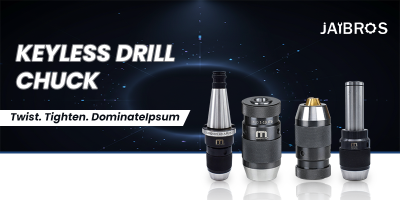
2. Keyless Drill Chucks
Keyless drill chucks are designed for quick and convenient bit changes. Instead of using a separate key, the user tightens the chuck by hand. Many modern drills and cordless machines come equipped with keyless systems.
Uses:
-
DIY projects
-
Woodworking
-
Light to medium-duty drilling
-
Portable and cordless drills
These chucks are perfect for applications where frequent bit changes are required. They save time and improve workflow efficiency. While they may not provide the same extreme clamping force as keyed versions, modern high-quality keyless designs offer impressive grip strength for most applications.
3. Hybrid or Semi-Keyed Chucks
Some models combine manual tightening with mechanical assistance. These are often used in industrial drills where convenience and grip strength must be balanced.
Uses:
-
Production lines
-
Medium to heavy industrial work
-
Workshops requiring frequent tool changes
These options bridge the gap between key-type drill chucks and keyless drill chucks.
4. Self-Tightening Drill Chucks
Self-tightening chucks automatically increase clamping force as torque increases during drilling. This makes them highly efficient for repetitive industrial tasks.
Uses:
-
CNC drilling machines
-
High-speed machining
-
Production environments
They reduce the risk of bit slippage and improve operational safety.
5. Heavy-Duty Industrial Chucks
Designed specifically for high-load applications, these chucks are built with hardened steel bodies and precision-ground jaws.
Uses:
-
Large drill presses
-
Industrial machining centers
-
Metalworking plants
When selecting from the best drill chucks for industrial use, heavy-duty construction and minimal runout are key factors.
Applications of Different Drill Chuck Types
Each chuck type is suited for specific environments and materials. Let’s explore where they are commonly applied.
Woodworking
In woodworking, quick bit changes are common. Keyless drill chucks are widely preferred because they allow rapid switching between drill bits, countersinks, and driver bits.
Metalworking
Metal drilling requires a strong clamping force to prevent bit movement. Key type drill chucks are typically used in these applications because they provide firm and secure grip.
CNC Machining
In CNC setups, consistency and precision are essential. Self-tightening and industrial-grade drill chucks are often selected to ensure minimal runout and reliable performance during automated operations.
DIY and Home Use
For household repairs and light projects, convenience matters most. Keyless drill chucks dominate this segment due to their ease of use and minimal setup time.
Factors to Consider When Choosing a Drill Chuck
When selecting the right chuck, consider the following factors:
1. Capacity
Check the minimum and maximum drill bit size the chuck can hold. Common capacities include 10mm, 13mm, and 16mm.
2. Mount Type
Ensure compatibility with your machine spindle. Common mount types include threaded mounts and taper mounts such as JT or MT.
3. Runout Accuracy
Lower runout improves drilling precision and reduces wear.
4. Application Type
Heavy industrial work requires stronger clamping compared to light-duty home tasks.
5. Durability
High-quality materials extend the life of drill chucks and reduce maintenance costs.
Maintenance Tips for Longer Life
Proper maintenance extends performance and ensures safety.
-
Keep the chuck clean from dust and metal chips.
-
Lubricate moving parts occasionally.
-
Avoid over-tightening.
-
Inspect jaws regularly for wear or damage.
-
Store in a dry environment to prevent rust.
Regular inspection helps maintain accuracy and prevents sudden failures during operation.
Advantages of Using High-Quality Drill Chucks
Investing in the best drill chucks offers several benefits:
-
Improved drilling accuracy
-
Reduced vibration
-
Longer tool life
-
Better safety
-
Increased productivity
In industrial settings, precision components can significantly reduce downtime and maintenance costs.
Common Problems and Solutions
Bit Slipping
Often caused by improper tightening or worn jaws. Use a suitable chuck type for your application.
Excessive Runout
May indicate internal wear or low-quality construction. Consider upgrading to higher precision models.
Difficulty in Tightening
Clean debris from jaw threads and apply light lubrication.
Frequently Asked Questions (FAQs)
1. What are the main types of drill chucks?
The main types include key-type drill chucks, keyless drill chucks, self-tightening chucks, and heavy-duty industrial chucks.
2. Which is better: keyless or keyed chucks?
It depends on the application. Keyless drill chucks are convenient for quick changes, while key-type drill chucks provide a stronger grip for heavy-duty work.
3. How do I choose the best drill chucks for my machine?
Consider capacity, mounting type, material compatibility, and application requirements.
4. Can drill chucks be replaced easily?
Yes, most drill chucks can be replaced by removing them from the spindle using appropriate tools and following the manufacturer's instructions.
5. How often should I maintain a drill chuck?
Regular cleaning after use and periodic lubrication are recommended to ensure long service life.
Conclusion
Understanding the different types of drill chucks and their uses helps improve drilling efficiency, safety, and accuracy. From key-type drill chucks designed for heavy industrial torque to convenient keyless drill chucks for quick operations, each type serves a specific purpose. Selecting the best drill chucks depends on your application, machine compatibility, and required precision level.
For professionals and businesses seeking reliable industrial tools, choosing trusted suppliers makes all the difference.
About Jaibros
Jaibros is a trusted supplier of high-quality industrial cutting tools and precision accessories. The company offers a wide range of machining solutions designed to meet the needs of workshops, manufacturers, and engineering professionals. With a strong focus on quality and performance, Jaibros supports industries with durable and precision-engineered products. -