What to Do When Roof Damage Can’t Wait: A Homeowner’s Guide
-
Roofing problems don’t always happen on a convenient schedule. In San Antonio, sudden storms, high winds, or falling debris can cause immediate damage that puts a home at risk. When water is actively entering the house or structural components are exposed, waiting days—or even hours—can significantly increase repair costs.
This article explains what qualifies as a roofing emergency, the steps homeowners should take right away, and how fast, informed decisions can limit damage and stress.
What Counts as a Roofing Emergency?
Not every roofing issue is an emergency, but some situations require immediate attention to prevent further harm to the home.
Common roofing emergencies include:
· Active leaks during heavy rain
· Large sections of missing or lifted shingles
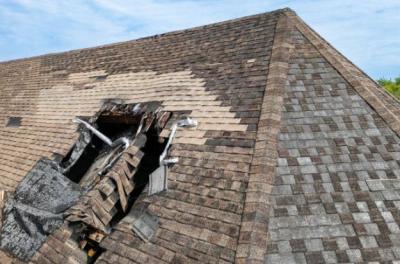
· Punctures from fallen branches or debris
· Storm damage exposing underlayment or decking
· Sagging areas that suggest structural risk
In these cases, delaying repairs can allow water to spread into insulation, walls, and electrical systems, turning a manageable fix into a major restoration project.
First Steps Homeowners Should Take
When a roofing emergency occurs, safety and damage control should be the top priorities.
1. Protect People and Belongings
If water is entering the home, move furniture, electronics, and valuables away from the affected area. Use buckets or containers to catch dripping water and reduce interior damage.
2. Avoid Climbing on the Roof
A damaged roof can be unstable, especially during or after a storm. Wet surfaces, loose shingles, and hidden structural issues make climbing dangerous. Emergency situations are best handled by trained professionals with proper safety equipment.
3. Document the Damage
Take photos or videos of visible damage from inside the home and from the ground outside. Documentation can be useful later for insurance purposes and helps professionals assess the situation more quickly.
Why Speed Matters in Emergency Roof Repairs
Time is a critical factor in emergency roofing situations. Even small openings can allow large amounts of water to enter during a storm, leading to:
· Soaked insulation and reduced energy efficiency
· Mold and mildew growth
· Damage to drywall, ceilings, and flooring
· Increased repair scope and costs
Prompt action often focuses on temporary stabilization—such as tarping or sealing exposed areas—to stop further intrusion until permanent repairs can be completed safely.
Temporary Fixes vs. Permanent Solutions
Emergency roofing work typically happens in two phases.
Immediate Stabilization
The first goal is to stop active damage. This may involve:
· Installing temporary tarps
· Securing loose shingles or flashing
· Covering exposed decking
These measures are not meant to be long-term solutions, but they play a crucial role in protecting the home until full repairs are possible.
Follow-Up Repairs
Once conditions are safe and materials are available, permanent repairs address the root cause of the damage. This may include replacing shingles, repairing flashing, or restoring sections of the roof structure.
Understanding this two-step process helps homeowners set realistic expectations during stressful situations.
The Importance of Local Knowledge During Emergencies
Roofing emergencies are rarely generic. San Antonio homes face unique challenges due to regional weather patterns, building styles, and materials commonly used in the area. Contractors familiar with local conditions can respond more effectively because they understand:
· Typical storm damage patterns
· How heat affects roofing materials over time
· Local building code requirements
Homeowners looking to understand how urgent roofing situations are handled in the area often review information from providers offering emergency roofing repair in San Antonio to better understand response processes and expectations.
How to Reduce the Risk of Future Emergencies
While not all emergencies are preventable, many can be minimized with proactive care.
Practical prevention steps include:
· Scheduling regular roof inspections
· Addressing minor repairs promptly
· Trimming overhanging tree branches
· Ensuring proper attic ventilation
· Checking flashing and seals around roof penetrations
Routine maintenance reduces the likelihood that a small issue will suddenly become an urgent problem during severe weather.
Staying Prepared When the Unexpected Happens
Roofing emergencies are stressful, but preparation makes them more manageable. Knowing the warning signs, acting quickly, and relying on experienced professionals helps homeowners protect their property and avoid unnecessary damage.
In a city where storms can escalate quickly, understanding how emergency roof repairs work allows homeowners to respond with confidence rather than panic. When the unexpected happens, informed action is the strongest defense a homeowner can have.