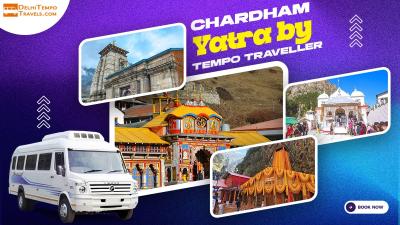
Char Dham Yatra Route Guide from Delhi
-
A road journey from Delhi to the Char Dham is not just a pilgrimage but a long, demanding Himalayan expedition that requires careful route planning, realistic daily targets, and a clear understanding of terrain and distances. The circuit crosses changing altitudes, weather zones, and road conditions, so knowing how the route unfolds day by day makes the experience safer, calmer, and spiritually more focused.
What Is the Traditional Char Dham Route Order from Delhi?
The Char Dham Yatra follows a well established clockwise route that helps pilgrims adapt gradually to altitude and terrain. From Delhi, the journey begins toward Haridwar or Rishikesh, considered the spiritual gateways of Uttarakhand. From there, the temples are visited in this traditional sequence.
Yamunotri is visited first, followed by Gangotri, then Kedarnath, and finally Badrinath. This order is not random. It allows better acclimatization and reduces physical stress, especially before reaching Kedarnath and Badrinath, which are located at higher elevations. Deviating from this sequence often results in fatigue and avoidable health issues.
Delhi to Haridwar and Rishikesh Distance and Driving Time
The first leg from Delhi to Haridwar is approximately 220 km and generally takes 5 to 6 hours depending on traffic. This stretch is fully motorable with highways and is the easiest part of the entire journey.
Many travelers prefer halting at Rishikesh instead of Haridwar due to smoother onward connectivity into the hills. Both towns offer good accommodation options and allow pilgrims to rest before the mountain drive begins. Starting early from Delhi helps avoid city congestion and keeps the day relaxed.
Yamunotri Route from Haridwar via Barkot
From Haridwar or Rishikesh, the route proceeds toward Barkot, covering roughly 210 km through Mussoorie and scenic hill roads. Barkot serves as the base for Yamunotri and is crucial for overnight rest.
The drive from Barkot to Janki Chatti is about 36 km, after which a 6 km trek leads to the Yamunotri temple. This trek is manageable for most pilgrims with moderate fitness. Proper footwear and weather awareness are essential, as conditions can change quickly in this region.
Gangotri Route via Uttarkashi and Road Conditions
After returning from Yamunotri, the route continues toward Uttarkashi, which is around 100 km from Barkot. Uttarkashi is not only a night halt but also an important medical and supply center in the region.
From Uttarkashi, Gangotri is about 95 km and can be reached in 3 to 4 hours. Roads here are narrower, with occasional landslide prone zones, but they are regularly maintained during the yatra season. Gangotri is accessible by road till the temple complex, making this leg comparatively less physically demanding.
Kedarnath Route via Guptkashi and Gaurikund
The journey to Kedarnath is the most challenging part of the Char Dham Yatra. From Uttarkashi, pilgrims travel toward Guptkashi or Sonprayag, covering around 220 km. This usually requires a full day of driving with breaks.
From Sonprayag, vehicles go till Gaurikund, which is the trek starting point for Kedarnath. The trek distance is approximately 16 km one way. Many pilgrims break this journey with an overnight stay near the base to manage fatigue and altitude. Weather planning is critical here, as sudden rain can impact trekking conditions.
Badrinath Route via Joshimath and Return Planning
After Kedarnath darshan and descent, the route heads toward Joshimath and then to Badrinath. This section involves around 190 km of mountainous driving. Badrinath is well connected by road and does not require trekking, making access relatively straightforward.
Pilgrims usually stay one night at Badrinath before starting the return journey. The return to Delhi is generally routed via Rudraprayag, Srinagar, and Rishikesh, completing the circuit smoothly.
Choosing the Right Vehicle for a Long Himalayan Circuit
For a journey that spans over 10 days and nearly 2000 km, vehicle comfort directly affects health and endurance. Group travelers often prefer Tempo Traveller Hire in Delhi because it allows flexibility in departure time, route customization, and rest stops.
Depending on group size, options such as 9 seater, 12 seater, and 16 seater vehicles are commonly used for this route. Adequate legroom, luggage space, and suspension suited for mountain roads play a major role in reducing travel fatigue.
Understanding Travel Cost and Per Km Charges
Budget clarity is important before starting the yatra. Most road travel for Char Dham is calculated on a per km basis. As per standard pricing, the rate is 23 Rs per km, which applies across long distance routes and multi day travel.
When pilgrims ask about Delhi to chardham tempo traveller rates, it is essential to understand that the total cost depends on distance covered, number of days, driver allowance, and night halts. Confirming inclusions in advance helps avoid confusion during the journey.
Best Time and Practical Road Travel Advice
The ideal time for Char Dham Yatra is from May to June and September to October. July and August bring heavy rainfall and increase the risk of road disruptions.
Start driving early each day, avoid night travel in hilly areas, and keep buffer days in your itinerary. Carry basic medicines, warm clothing, and stay hydrated throughout the journey. These small preparations make a significant difference over long mountain routes.
FAQs
How many days are required to complete Char Dham Yatra from Delhi by road?
Most travelers complete the journey in 10 to 12 days, including temple visits, trekking, and rest days for altitude adjustment.Is Char Dham Yatra suitable for first time mountain travelers?
Yes, but it requires a well paced itinerary, comfortable vehicle, and planned overnight stops to manage fatigue and altitude.Can Char Dham Yatra be done without trekking?
Yamunotri and Kedarnath require trekking, but ponies and palki services are available for pilgrims who cannot walk long distances.