Categories
Tags
Archives
Power Management ICs: The Unsung Heroes of Modern Electronics
-
Posted by Bryce Lee Filed in Technology #Semiconductors & Electronics ##Electronics #integrated circuit 110 views
Hey folks, Bryce here, your go-to tech enthusiast for all things semiconductor. Today, let’s dive into a component that’s often overlooked but absolutely critical in every electronic device we use—Power Management ICs (PMICs). If you’ve ever wondered how your smartphone stays charged efficiently or why your laptop doesn’t overheat during heavy use, PMICs are the unsung heroes working behind the scenes.
What Exactly Are Power Management ICs?
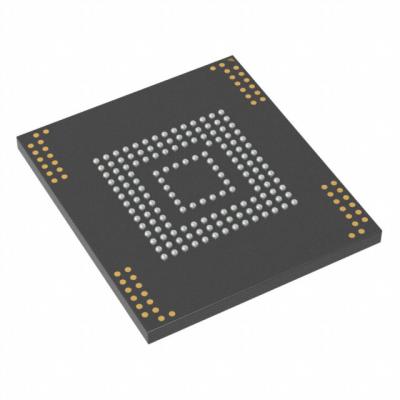
Put simply, a PMIC is an integrated circuit designed to manage power within an electronic system. Think of it as a traffic controller for electricity, directing power flow, regulating voltages, and ensuring each component gets the right amount of energy at the right time. From tiny wearables to massive data center servers, every device with a battery or power source relies on PMICs to function optimally.
I’ve disassembled enough gadgets to tell you: without a PMIC, your device is just a collection of parts that can’t communicate power-wise. It’s the glue that holds the power architecture together.
Types of PMICs: One Size Doesn’t Fit All
PMICs come in various flavors, each tailored to specific needs. Let me break down the most common ones:
· Voltage Regulators: These are the workhorses, converting unstable input voltages to steady, precise outputs. Linear regulators are simple but less efficient, while switching regulators (like buck or boost converters) are more complex but excel in efficiency—crucial for battery-powered devices.
· Battery Management ICs (BMICs): If you own a smartphone or laptop, you’re relying on a BMIC. They handle charging, monitor battery health, prevent overcharging, and even balance cells in multi-cell batteries. I’ve tested countless gadgets, and a good BMIC can extend battery life by years.
· Power Sequencers: In complex systems like servers or FPGAs, components need power in a specific order. Sequencers ensure this happens, preventing damage from voltage spikes.
· LED Drivers: These regulate current for LEDs, ensuring consistent brightness and longevity. Next time you admire energy-efficient lighting, thank an LED driver PMIC.
Key Functions: Why PMICs Matter
What makes PMICs indispensable? Let’s look at their core roles:
· Efficiency: By minimizing power loss, PMICs extend battery life and reduce heat. I’ve seen devices with poor quality PMICs drain batteries 30% faster—trust me, efficiency matters.
· Voltage Regulation: Different components (processors, sensors, displays) need different voltages. A PMIC adjusts power levels seamlessly, even as the device’s demands change. For example, your phone’s CPU needs more power when gaming than when idle.
· Protection: Overvoltage, overcurrent, and short circuits can destroy hardware. PMICs act as safeguards, shutting down power when anomalies occur. I once repaired a drone that survived a crash thanks to its PMIC’s quick response.
· Integration: Modern PMICs combine multiple functions (e.g., a regulator + a charger) in a single chip, saving space and reducing complexity. This is a game-changer for compact devices like smartwatches.
Design Challenges: It’s Not Easy Being a PMIC
Designing a PMIC is no small feat. Engineers face tough trade-offs:
· Size vs. Performance: Smaller devices demand tiny PMICs, but shrinking components can reduce efficiency and heat dissipation. Balancing size and performance is a constant battle.
· Noise Reduction: Sensitive components like sensors or RF modules need clean power. PMICs must minimize electrical noise, which requires clever circuit design. I’ve worked on projects where noise from a poorly designed PMIC ruined sensor accuracy.
· Dynamic Loads: Devices like smartphones have rapidly changing power demands. PMICs must respond instantly—lag can cause crashes or glitches.
· Compatibility: With new chipsets and batteries hitting the market yearly, PMICs must adapt. A PMIC designed for last year’s processor might not work with the latest model.
Future Trends: Where Are PMICs Headed?
From what I’ve seen in industry reports and conversations with engineers, PMICs are evolving fast:
· Higher Efficiency: As devices get more power-hungry (looking at you, 5G phones and AI chips), PMICs are pushing efficiency levels above 95%. This will be critical for electric vehicles and renewable energy systems.
· AI Integration: Smart PMICs with machine learning algorithms could predict power demands, optimizing efficiency in real time. Imagine a laptop that learns your usage patterns and adjusts power accordingly—cool, right?
· Wide Bandgap Semiconductors: Materials like gallium nitride (GaN) and silicon carbide (SiC) are making PMICs more efficient at high voltages, ideal for EVs and solar inverters.
· Energy Harvesting: PMICs will play a key role in devices that harvest energy from light, heat, or motion, enabling self-powered sensors and IoT devices.
Final Thoughts: Give PMICs the Credit They Deserve
Next time you unbox a new gadget, take a moment to appreciate the PMIC working tirelessly inside. These tiny chips enable the technology we rely on daily, and their evolution drives innovation in electronics.
As a tech enthusiast, I’m excited to see where PMICs go next. With the rise of IoT, EVs, and AI, their importance will only grow. If you’re into DIY electronics or product design, investing in a quality PMIC is one of the best decisions you can make—your device (and your users) will thank you.
What’s your experience with PMICs? Have you ever had a device fail due to power issues? Drop a comment below—I’d love to hear your stories.
Until next time, keep exploring the tech that powers our world.