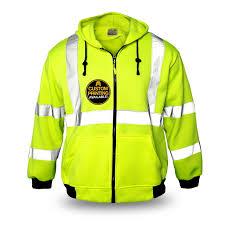
Safety Vest: A Critical Element in Workplace Safety
-
A safety vest is a vital piece of personal protective equipment (PPE) designed to ensure the visibility of workers in hazardous environments. Whether you're working on a busy construction site, managing traffic control, or participating in an emergency response, a safety vest helps minimize the risk of accidents by making workers more visible to others. This article explores the importance of safety vests, their features, types, and how to select the right one for your specific needs.
The Importance of Safety Vests
Safety vest serve multiple purposes, but their primary function is to enhance worker visibility. In environments where workers are at risk of being struck by moving vehicles, machinery, or other equipment, wearing a safety vest can prevent accidents and injuries. Here’s why safety vests are essential:
1. Enhanced Visibility
The most significant advantage of wearing a safety vest is improved visibility. These vests are typically made from bright, fluorescent materials like neon yellow, orange, or lime green, which are highly visible in both daylight and low-light conditions. Many safety vests also feature reflective strips that make workers visible from a greater distance, even at night or in poor visibility conditions such as fog or rain.
2. Worker Protection
In workplaces where workers are exposed to moving vehicles, heavy machinery, or construction equipment, safety vests are crucial for reducing the risk of accidents. By making workers more visible, these vests give operators of machinery or passing vehicles more time to react, thereby preventing collisions and injuries.
3. Compliance with Regulations
In many industries, wearing a safety vest is a legal requirement. Regulations such as those set by the American National Standards Institute (ANSI) in the U.S. and other global standards mandate that workers in certain environments must wear high-visibility clothing, including safety vests, to reduce the risk of accidents. Failure to comply with these regulations can result in fines and safety violations.
4. Comfort and Mobility
Safety vests are designed for comfort and mobility. Unlike bulky protective clothing, safety vests are lightweight, breathable, and easy to wear over other work clothes. Their design allows workers to move freely, ensuring that they can perform their tasks without being restricted by their protective gear.
5. Versatility in Various Work Environments
Safety vests are used in a wide range of industries, including construction, roadwork, emergency services, warehouses, and event management. The versatility of safety vests makes them suitable for many different tasks and environments, allowing workers to remain visible and protected in a variety of hazardous conditions.
Types of Safety Vests
There are several types of safety vests, each designed to meet specific needs and requirements. Understanding the different types of safety vests will help you choose the right one for your work environment.
1. High-Visibility Safety Vests
High-visibility safety vests are the most commonly used type of safety vest. These vests are made from brightly colored fluorescent materials such as neon yellow, orange, or lime green, which are easy to spot in daylight, low-light, or nighttime conditions. High-visibility vests are essential for workers in environments with moving vehicles or heavy machinery, such as construction sites or traffic control zones.
Features of High-Visibility Safety Vests:
- Bright fluorescent colors for maximum daytime visibility.
- Reflective strips or bands to enhance visibility in low-light or nighttime conditions.
- Lightweight, breathable fabric for comfort during long shifts.
- Available in various sizes to accommodate different body types.
2. Reflective Safety Vests
Reflective safety vests are designed for workers who need to be seen in low-light or nighttime conditions. These vests feature reflective strips or tapes that bounce light back to the source, making the wearer more visible in dark or dimly lit areas. Reflective safety vests are commonly used in environments such as roadwork, night-time traffic control, and emergency response situations.
Features of Reflective Safety Vests:
- Reflective tape or strips for increased visibility in low-light conditions.
- Bright colors for daytime visibility.
- Durable, weather-resistant fabric suitable for outdoor use.
- Available in different styles, such as mesh or solid fabric for varying comfort levels.
3. Flame-Resistant Safety Vests
Flame-resistant (FR) safety vests are specifically designed for workers who are exposed to fire or heat hazards. These vests are made from materials that resist ignition and minimize the spread of flames, offering an additional layer of protection in industries like welding, electrical work, and oil and gas operations. Flame-resistant safety vests still meet high-visibility standards and are often required in environments where both fire and visibility are concerns.
Features of Flame-Resistant Safety Vests:
- Made from fire-resistant fabrics to protect workers from heat and flames.
- Bright, high-visibility colors combined with reflective strips for nighttime safety.
- Ideal for use in environments where fire or electrical hazards are present.
- Available with adjustable features for a comfortable, customizable fit.
4. Mesh Safety Vests
Mesh safety vests are designed for warm climates or environments where breathability and ventilation are essential. Made from lightweight mesh fabrics, these vests allow air circulation to keep workers cool while still providing visibility. Mesh safety vests are commonly worn in outdoor work environments, such as roadwork, landscaping, or warehouse settings.
Features of Mesh Safety Vests:
- Breathable, mesh fabric for comfort in hot and humid conditions.
- Lightweight and easy to wear over other clothing.
- Reflective strips for increased visibility.
- Ideal for use in warm weather or high-activity environments.
5. Customizable Safety Vests
Customizable safety vests allow companies or organizations to add logos, company names, or job titles to the vest, making them ideal for corporate branding or identifying workers on the job. Customization options include embroidered text, printed logos, or patches. These vests are suitable for a wide range of industries, including construction, transportation, and event management.
Features of Customizable Safety Vests:
- Options for adding logos, text, and job titles for identification.
- Available in high-visibility colors and reflective materials.
- Custom sizes and fits to meet specific workplace needs.
- Ideal for professional environments where branding or identification is important.
Key Considerations When Choosing a Safety Vest
Selecting the right safety vest for your workplace requires considering several factors to ensure that it meets safety standards and provides maximum protection.
1. Safety Standards and Compliance
Ensure that the safety vest you choose meets the necessary safety standards for your industry. In the U.S., safety vests must comply with the ANSI/ISEA 107 standard, which outlines requirements for high-visibility clothing. Different classes of safety vests (Class 1, Class 2, and Class 3) are defined based on visibility requirements and the type of work environment. Be sure to select a vest that is compliant with your industry’s regulations.
2. Weather Conditions
Consider the environmental conditions in which you will be working. For hot weather, mesh or moisture-wicking safety vests offer breathability and comfort. For colder or wetter environments, look for vests made from durable, weather-resistant materials, or consider flame-resistant options for added protection.
3. Durability and Material
Safety vests should be made from durable materials that can withstand the wear and tear of daily work. Look for vests made from strong, abrasion-resistant fabrics such as polyester or nylon, which are designed to hold up in rugged conditions. Reflective materials should also be securely stitched to ensure long-lasting visibility.
4. Fit and Comfort
Comfort is essential, especially for workers who wear safety vests for long hours. Choose vests that are adjustable and fit comfortably over clothing without restricting movement. Consider vests with breathable mesh or moisture-wicking fabric for comfort in warm conditions.
5. Reflective Features
For optimal visibility, look for safety vests that include reflective strips or bands. These reflective elements should cover key areas, including the chest, back, and shoulders, to ensure the wearer is visible from all angles, especially in low-light or nighttime conditions.
Conclusion
A safety vest is an essential piece of protective clothing that enhances worker visibility and provides an added layer of protection in hazardous environments. Whether you're working on a construction site, directing traffic, or performing emergency response tasks, wearing a safety vest significantly reduces the risk of accidents and injuries. By selecting the right safety vest based on the work environment, safety standards, weather conditions, and comfort needs, workers can stay visible, safe, and compliant with regulations. Remember, the right safety vest could be the difference between life and injury on a busy, hazardous worksite.