Categories
Tags
Archives
Understanding Laser Therapy Equipment: How It Works
-
Posted by RJ LASER Filed in Other #Laser Therapy #Therapy Equipment #Laser Therapy Equipment 34 views
Laser therapy is a non-invasive treatment that uses focused light to accelerate healing, reduce inflammation, and alleviate pain. This method has been widely adopted in various medical fields, including physiotherapy, sports medicine, and dermatology. The advancement in technology has led to the creation of specialized laser therapy equipment, which has significantly improved patient outcomes. In this article, we’ll explore how laser therapy works, its benefits, and why it's gaining popularity in different therapeutic practices.
How Laser Therapy Equipment Works
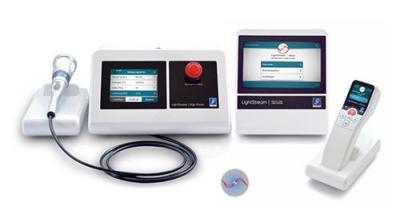
Laser therapy equipment uses specific wavelengths of light to penetrate the skin and reach the underlying tissues. These lasers emit concentrated beams of light that are absorbed by the cells in the body. This process stimulates cellular regeneration, increases circulation, and promotes the natural healing processes of the body.
One of the main principles behind laser therapy is photobiomodulation. This means that when tissues absorb light energy, it triggers a cascade of biological processes at the cellular level. The cells’ mitochondria, often referred to as the powerhouses of the cells, absorb the light and convert it into usable energy. This increase in energy boosts the cells' ability to repair themselves, which helps reduce inflammation and alleviate pain.
Laser therapy equipment is designed to target various depths within the tissue. Low-level laser therapy (LLLT), also known as cold laser therapy, works at the surface level and is effective for treating superficial injuries such as wounds, burns, or skin irritations. On the other hand, high-intensity laser therapy (HILT) penetrates deeper into the tissues and is commonly used for treating musculoskeletal conditions like arthritis, back pain, and tendon injuries.
Benefits of Laser Therapy
One of the most significant advantages of laser therapy is its ability to provide pain relief without the need for medications or surgery. Patients suffering from chronic pain conditions, such as arthritis or fibromyalgia, have experienced remarkable improvements in their quality of life through consistent use of laser therapy equipment.
This makes it a popular choice among athletes who need quick and efficient treatments to get back to peak performance. Studies have also shown that laser therapy speeds up wound healing and minimizes scar formation.
Additionally, laser therapy equipment is versatile and can be used in a variety of clinical settings. Whether it’s for post-surgical recovery, nerve regeneration, or even cosmetic procedures like skin rejuvenation, laser therapy is a flexible treatment option that offers a non-invasive solution with little to no side effects.
Who Can Benefit from Laser Therapy?
Laser therapy is suitable for individuals of all ages, whether they are seeking relief from chronic conditions or recovering from an injury. It has become a common treatment in sports medicine, physical therapy clinics, and rehabilitation centers due to its ability to enhance tissue repair and relieve pain. Patients who prefer non-invasive treatments or want to avoid long-term medication use may find laser therapy particularly appealing.
It is also beneficial for healthcare providers, as it offers a quick, painless treatment option that can be used alongside other therapeutic modalities. The ability of laser therapy equipment to target deep tissues makes it a valuable tool in treating conditions that are difficult to reach with traditional therapies.
Laser therapy has evolved into a highly effective treatment method for a wide range of medical conditions, offering benefits such as pain relief, reduced inflammation, and faster healing. Whether you are an athlete, recovering from surgery, or dealing with chronic pain, laser therapy equipment can provide a non-invasive, drug-free solution that accelerates the healing process. As technology continues to advance, RJ-Laser remains at the forefront of developing innovative laser therapy solutions that meet the needs of patients and healthcare providers alike.