Categories
Tags
Archives
The Role and Material Requirements of Aluminium Foil in Pharmac
-
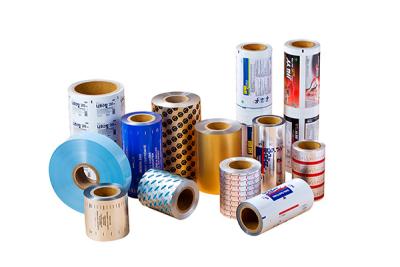
Aluminium Foil in Pharmaceutical Packaging plays a critical role in ensuring drug safety, stability, and regulatory compliance. Due to its exceptional barrier properties, chemical stability, and compatibility with various packaging formats, aluminium foil has become an essential material in modern pharmaceutical protection systems.
One of the primary functions of aluminium foil is to provide a complete barrier against moisture, oxygen, light, and microorganisms. Many pharmaceutical products, including tablets, capsules, powders, and effervescent formulations, are highly sensitive to environmental conditions. Even minimal exposure to humidity or oxygen can compromise drug efficacy. Aluminium foil offers nearly zero permeability to gases and moisture, significantly extending product shelf life.
From a material standpoint, pharmaceutical-grade aluminium foil must meet stringent quality standards. It is typically manufactured from alloys such as 8011, 8079, or 8021, which provide a balance of strength, flexibility, and forming capability. The foil surface must be clean, uniform, and free from pinholes or defects that could compromise barrier performance. Controlled rolling and annealing processes ensure consistent thickness and mechanical properties.
In addition to barrier protection, aluminium foil supports heat sealing and lamination processes. It is often combined with PVC, PVDC, PP, PET, or cold-form materials to create multi-layer packaging structures such as blister packs and strip packs. Surface coatings and primers are applied to enhance sealing strength and printability while maintaining compliance with pharmaceutical regulations.
Regulatory standards, including GMP (Good Manufacturing Practice) and pharmacopeial requirements, demand strict quality control during production. Pharmaceutical aluminium foil must undergo testing for pinhole count, mechanical strength, sealing performance, and chemical stability to ensure product safety and reliability.