Categories
Tags
-
#agriculture
#machine learning
#Artificial Intelligence
#gold
##agriculture
##agriculturalcommodities
#commodity market
#commodity price forecasting
#commodity futures prices
#live commodity prices
#oil price forecast
#Gold price
#wheat price
#steel prices
#palm oil price
#commodity prices
#ai techniques
#commodity price prediction machine learning
#commodity valuation
#Crude Oil Price
#price trend of zinc phosphate
#Price Prediction
#PriceVision
#Metal price
#Metal price forecast
#Price forecast
#Metal commodity price
#commodity price
#Price Discovery
#HRC Market
#Hot rolled coil
#Steel price
#platinum price
#platinum price forecast
#platinum futures
#crude oil
#procurement of crude oil
#NCDEX Steel
#Steel rate
#factors affecting agriculture
#agricultural commodities
#sugar price
#sugar price forecast
#ncdex steel rate
#steel price prediction
#gold price forecast
#gold price prediction
#hrc
#cotton price
#cotton price forecast
#soybean
#soybean price
#soybean price forecast
#cotton future
#Metal prie
#Metal price prediction
#agricultural commodity
#Agriculture factors
#Metal commodity
#ferrous metal futures
#ferrous metal industry
#ferrous metal market
#copper price
#price of metal
#Cost of Metal
#zinc price
#zinc price forecast
#Commodity forecast
#importance of soybean
#soybeans
#HRC CME
#aluminium
#aluminium price
#aluminium price forecast
#metal rate
#groundnut price
#groundnut price prediction
#groundnuts
#metal future
#metal futures
#Zinc
#factors of agriculture
#MCX Cotton price
#MCX price prediction
#zinc price prediction
#commodity trading
#commodity price prediction
#commodity price prediction models
#steel price forecast
#groundnut
#groundnut oil
#Metal live price
#soybean oil
Archives
HRC CME & Steel Prices: Latest Metal Rates in India
-
The steel industry is a foundational part of India’s economy, influencing a range of sectors from construction and manufacturing to automotive and infrastructure. As a result, fluctuations in steel prices have widespread repercussions, affecting costs for producers and consumers alike. Keeping an eye on the trends in HRC CME and CME steel prices is critical for understanding the overall metal rate in India. In this blog, we’ll delve into what HRC CME and CME steel prices mean, discuss the factors influencing them, and analyze how they impact metal rates in India.
Understanding HRC CME: A Brief Overview
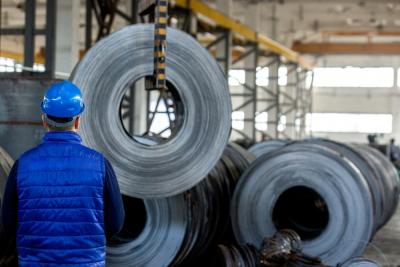
HRC CME stands for Hot Rolled Coil traded on the Chicago Mercantile Exchange. This exchange facilitates the trading of HRC steel futures, which serve as a way to hedge against price changes in the steel market. CME steel prices provide an indication of the value of steel in the global market, particularly for hot rolled coil (HRC), which is widely used in industrial applications like automotive manufacturing, construction, and engineering.
Hot rolled coil is a semi-finished steel product, and its price trends are closely watched by producers, buyers, and investors worldwide. As the CME’s HRC futures contracts represent global benchmarks, they have a direct influence on the metal rate in India. HRC CME acts as an important indicator for Indian steel producers, who reference global trends to gauge domestic market conditions.
Importance of CME Steel Prices for Indian Markets
CME steel prices play a key role in setting the benchmark for steel prices worldwide. Since India is a major player in the global steel market, the metal rate in India is increasingly linked to these global benchmarks. Domestic prices of steel are affected not only by local demand and supply but also by movements in the HRC CME.
For Indian companies involved in steel production or dependent on steel for their production, tracking CME steel prices is crucial. Steel futures trading on the CME allows Indian firms to forecast costs more accurately and make better purchasing decisions. As the world’s second-largest steel producer, India’s metal rate in India reflects the synergy between global trends and local market demands, making CME steel prices a reliable gauge for future pricing in India.
Current Trends in CME Steel Prices and Metal Rates in India
Over the past year, CME steel prices have shown considerable volatility. Global steel prices are influenced by several factors, including international trade policies, shifts in demand from major economies like China and the United States, and cost trends for raw materials such as iron ore and coal. Recently, these prices have seen upward pressure due to disruptions in the supply chain and increased demand as economies recover from recent global slowdowns.
In India, the metal rate is directly influenced by the trends observed in HRC CME. For instance, if CME steel prices rise, India often sees a corresponding increase in domestic steel prices, as producers adjust rates to align with global benchmarks. Since HRC is essential in sectors like automotive and construction, any increase in HRC CME prices is quickly reflected in India’s metal rates, impacting various industries and end-users.
Key Factors Impacting CME Steel Prices
Understanding the variables that drive CME steel prices helps stakeholders better anticipate changes in the metal rate in India. Some of the main factors affecting CME steel prices include:
- Global Demand and Supply Dynamics: Demand for steel varies across regions and industries. For instance, a high demand in construction often raises CME steel prices, affecting the metal rate in India. Conversely, if there is a global oversupply, CME prices may fall, which could lead to lower metal rates domestically.
- Raw Material Costs: Iron ore and coal are primary raw materials for steel production. Any fluctuations in these materials’ prices directly impact the cost of steel. For instance, if iron ore prices rise, CME steel prices generally follow, putting upward pressure on the metal rate in India.
- Economic Conditions: Global economic conditions, especially in large markets like the U.S. and China, influence CME steel prices. When these economies are expanding, demand for steel increases, resulting in higher prices. Conversely, economic slowdowns can lead to reduced demand, pulling prices down and affecting India’s metal rates.
- Trade Policies and Tariffs: Trade regulations, tariffs, and duties imposed by major steel-producing and consuming nations impact CME steel prices. For instance, if countries impose restrictions on steel imports, demand in domestic markets could rise, pushing CME prices up. This would eventually affect the metal rate in India as well, particularly if India needs to adjust to international competition or import materials.
How HRC CME Reflects in Metal Rate in India
While HRC CME gives a global perspective on steel prices, the metal rate in India is influenced by both international and local market dynamics. India’s domestic steel market often aligns with global prices, especially for HRC, as industries dependent on steel adjust their purchasing to global benchmarks.
However, Indian steel prices sometimes diverge from CME steel prices due to local conditions. For example, if India experiences a sudden increase in demand for steel due to government infrastructure projects, the metal rate in India may stay elevated even if HRC CME prices fall. This discrepancy between domestic prices and CME steel prices can be advantageous for local producers who can sell at a premium domestically, as well as for international buyers who may look to India when global prices are high.
Domestic Influences on Metal Rate in India
While global CME steel prices impact the metal rate in India, several domestic factors also play a crucial role. Here are a few:
- Government Policies and Infrastructure Projects: The Indian government’s focus on infrastructure development, including road construction, railways, and affordable housing projects, increases steel demand. This raises the metal rate in India and influences how closely it aligns with CME steel prices.
- Monsoon and Seasonal Variability: In India, the demand for construction materials like steel tends to fluctuate with the seasons, with lower demand typically during monsoon months. This seasonal variation can cause short-term deviations in the metal rate in India compared to CME steel prices.
- Domestic Production and Inventory Levels: India has a vast steel production capacity, but if domestic production falls short or inventory levels decrease, the metal rate in India may rise. This is particularly true during times of global shortages, when CME steel prices are high, driving Indian producers to adjust local prices to take advantage of higher revenue potential.
Comparing HRC CME Trends with India’s Steel Market
Comparing HRC CME with the metal rate in India offers valuable insights. While CME steel prices serve as a benchmark, local factors often create a divergence. For instance, Indian prices may stay high due to local demand even if HRC CME drops. Similarly, if India has an oversupply, local prices may decrease faster than global rates. Investors and companies in India closely monitor both HRC CME trends and local prices to gauge the optimal time for purchasing or selling.
This divergence also presents opportunities for strategic purchases. If HRC CME trends suggest a potential price increase, buyers can consider locking in prices early to hedge against future costs. For Indian producers, observing global and local pricing trends allows them to make decisions that maximize profitability.
Conclusion: The Impact of HRC CME and CME Steel Prices on the Indian Steel Industry
For India’s steel sector, keeping track of HRC CME and CME steel prices is essential to understanding market fluctuations and making informed business decisions. The metal rate in India is increasingly interconnected with global markets, reflecting shifts in demand, cost of raw materials, and economic conditions.
With the Indian government’s continued focus on infrastructure and industrial development, steel demand is expected to remain strong. As a result, Indian metal rates will likely remain closely aligned with CME steel prices. However, local factors will continue to create price variations that present both challenges and opportunities for stakeholders.
Whether you’re a producer, a trader, or an end-user in industries relying on steel, tracking the dynamics of HRC CME, CME steel prices, and metal rates in India is crucial. Staying informed about these trends allows for strategic decisions that safeguard against price volatility while capitalizing on favorable market conditions.
To Get Real-Time Prices of Metal Visit: https://pricevision.ai/