Categories
Tags
-
#fitness
#Health
#Sleep
#Nature
#Motivation
#Nutrition
#Healthy Habits
#hiking
#anxiety
#personal growth
#mental health
#wellness
#yoga
#stress management
#healthy living
#Self-Care
#mindfulness
#Intuitive eating
#Healthy Eating
#Gratitude
#morning rituals
#rest
#fitness motivation
#wellness habits
#yoga lifestyle
#sleep hygiene
#daily routines
#plant-based cooking
#journaling
#self-reflection
Archives
Finding Peace in Sleep: My Journey to Better Rest
-
I used to be that person who wore sleeplessness like a badge of honor. You know the type? The one who bragged about surviving on five hours of sleep, who answered "How did you sleep?" with a laugh and "Who has time for that?" Looking back, I realize I was essentially running my life on fumes, and my body was paying the price in ways I didn't even recognize until things got really hard.
About three years ago, I hit a wall. I was irritable, my skin looked dull, my yoga practice felt heavy, and I caught every cold that came my way. My doctor asked me point blank about my sleep habits, and I had to admit the truth: I was sleeping maybe five to six hours a night, my bedroom was a disaster of blue light and noise, and I was going to bed at different times every single night. She didn't lecture me, but she did say something that stuck with me: "Your body can't heal what you won't rest."
That phrase became my wake-up call, pun intended.
Sleep hygiene isn't about luxury or indulgence, even though our culture often frames it that way. It's actually one of the most fundamental acts of self-care and self-respect we can practice. When we honor our sleep, we're honoring our bodies' need to restore, repair, and reset. I learned this through research, but more importantly, I learned it by finally giving myself permission to prioritize rest.
The first change I made was something simple but powerful: I committed to a consistent sleep schedule. I chose to go to bed at ten o'clock and wake up at six, every single day, even weekends. This consistency helped regulate my circadian rhythm, and within about two weeks, I noticed I was falling asleep faster and waking up more naturally. My body started to anticipate rest time, which sounds small but it's actually revolutionary when you've spent years fighting against your own biology.
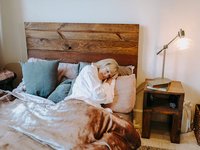
Next, I completely redesigned my bedroom. I removed the television, put my phone in another room, and invested in blackout curtains. I replaced my old pillows and made the space feel like a sanctuary rather than just a place where I happened to sleep. The lighting matters too, which is why I switched to warm amber bulbs in the evening hours. About an hour before bed, I started dimming all the lights in my home, signaling to my body that rest time was approaching.
I also created a wind-down routine that became sacred to me. Starting at nine o'clock, I would stop working, step away from screens, and engage in calming activities. Some nights it's gentle stretching, other nights it's journaling or reading. I brew a cup of chamomile tea and sit quietly, letting my mind slow down. This transition time is essential. We can't expect to go from hundred miles per hour directly into deep sleep.
What surprised me most was realizing how much my caffeine timing was affecting my rest. I used to drink coffee until three in the afternoon without thinking twice about it. Now I stop at noon, and this one change alone has made a dramatic difference in my ability to fall asleep naturally.
The results of taking sleep seriously have been more profound than I expected. Within a month, my energy improved. Within two months, my skin cleared up and my anxiety decreased noticeably. My yoga practice deepened because my body wasn't exhausted. My relationships improved because I was less irritable and more present. I started waking up before my alarm, feeling genuinely rested.
I'm not suggesting that sleep hygiene will magically solve all of life's problems, but I will say this: when we rest well, everything becomes a little easier. Our resilience increases. Our immune system strengthens. Our creativity flows more freely. Our capacity for joy expands.
Sleep isn't lazy. Sleep isn't something we should squeeze in if we have time. Sleep is medicine, and it's absolutely free. I learned that my worth as a person isn't measured by my productivity or hustle, but by my wholeness and presence. And wholeness starts with rest.
What does your current sleep routine look like, and what's one small change you could make this week to honor your body's need for rest?