Bennett Truck Repair
-
Roadside Breakdown Checklist: When to Call Bennett Truck Repair
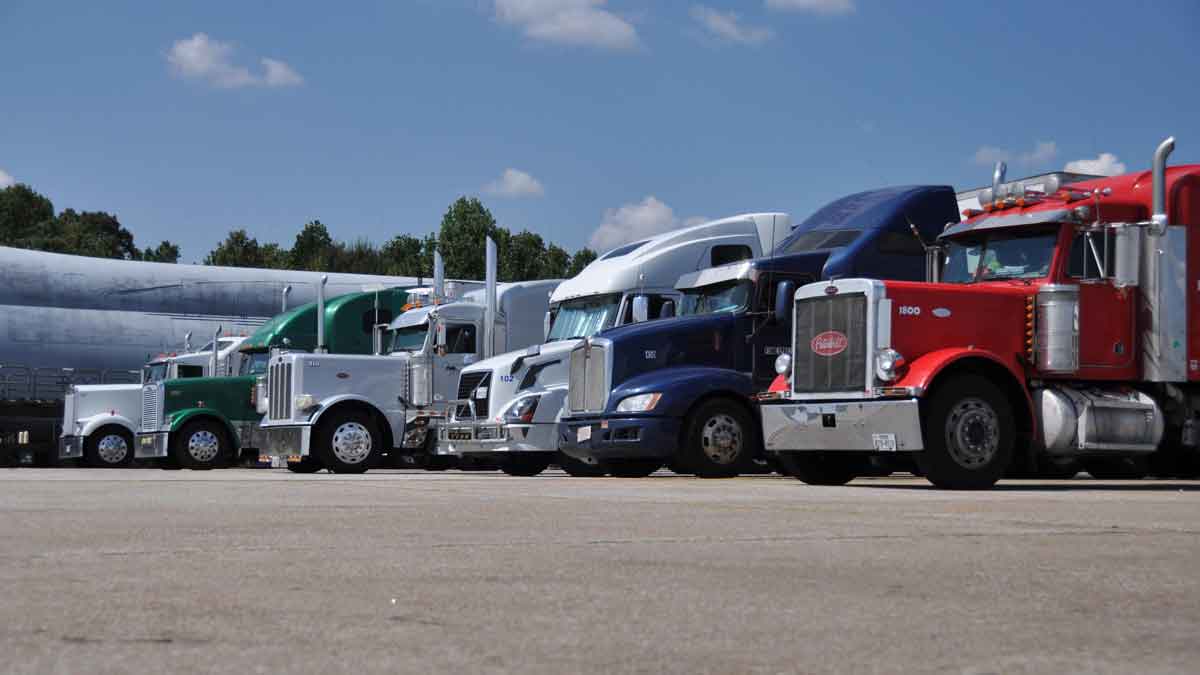
In the high-pressure world of commercial transportation and heavy equipment operations, unexpected breakdowns are more than mechanical inconveniences — they are direct threats to revenue, schedules, and safety. Whether you’re hauling freight along Interstate 75 in South Georgia or operating heavy machinery on a job site in North Florida, knowing exactly what to do when your truck or equipment fails can make the difference between a minor delay and a major operational disruption.
A well-prepared roadside breakdown checklist helps drivers and fleet managers respond calmly, protect assets, and restore service quickly. Most importantly, it clarifies when professional intervention is necessary. That’s where Bennett Mobile Truck Repair becomes a critical partner, delivering expert on-site diagnostics and repair without the delay and cost of towing.
Below is a comprehensive guide to recognizing breakdown warning signs, taking immediate protective steps, and determining when it’s time to call Bennett for professional roadside support.
Recognizing Early Warning Signs Before Total Failure
Many roadside breakdowns do not occur without warning. Subtle performance issues often precede complete mechanical failure. Understanding these warning indicators can prevent a small issue from escalating into a costly repair.
Loss of power while accelerating, especially under load, frequently signals fuel delivery issues, turbocharger problems, or aftertreatment restrictions. Hard starts, extended cranking, or intermittent no-start conditions may point toward battery system weakness, starter failure, fuel system air intrusion, or electronic control module faults.
Rising engine temperatures demand immediate attention. Overheating can stem from coolant leaks, failing water pumps, clogged radiators, or malfunctioning thermostats. Ignoring this symptom can lead to catastrophic engine damage.
Unusual vibrations, grinding noises, or sudden drivetrain clunks may indicate U-joint failure, transmission problems, or differential issues. These conditions often worsen quickly and can result in complete immobilization if not addressed promptly.
Dashboard warning lights, particularly those associated with diesel particulate filters, DEF systems, or engine derates, are critical alerts. Modern diesel engines are engineered to protect themselves. If aftertreatment systems detect a fault, the vehicle may enter a reduced-power mode that limits speed or eventually prevents restart altogether.
When any of these symptoms appear, proactive action is essential.
Securing the Scene and Protecting Yourself
Safety is always the first priority in a roadside breakdown situation. Before diagnosing or attempting temporary fixes, drivers must ensure they are out of harm’s way.
Move the vehicle as far off the roadway as possible, ideally onto a shoulder or designated emergency lane. Activate hazard lights immediately to alert other motorists. Deploy reflective warning triangles according to DOT guidelines to increase visibility, especially at night or in low-visibility weather.
If the breakdown occurs on a busy interstate such as I-75, situational awareness becomes even more important. Remaining inside the vehicle with seatbelt fastened may be safer than standing roadside in high-speed traffic areas.
On construction sites or fleet yards, ensure machinery is stabilized and secured. Lower attachments on heavy equipment to the ground and shut down systems properly to prevent secondary hazards.
Once the scene is secure, the next step is assessment.
Evaluating the Severity of the Problem
Not all breakdowns require immediate professional repair. However, understanding the difference between a manageable issue and a serious mechanical fault is crucial.
If the problem appears minor, such as a loose battery cable or a visible coolant hose leak, experienced operators may perform temporary measures to reach a safe location. However, modern diesel systems are highly computerized, and improper intervention can worsen the situation.
Engine derate conditions, active fault codes, oil pressure warnings, or persistent overheating should never be ignored. Continuing to operate a diesel engine under these conditions can cause severe internal damage, including scored cylinders, warped heads, or complete engine seizure.
Electrical issues also require caution. Intermittent power loss, flickering dash displays, or random shutdowns may indicate alternator failure or deeper wiring harness issues. Attempting roadside electrical repairs without proper diagnostic tools can create additional complications.
If the truck will not restart, repeatedly stalls, or displays emissions-related warnings tied to the DPF or DEF system, the safest and most cost-effective decision is to contact a professional mobile diesel service.
When Immediate Professional Assistance Is Necessary
Certain breakdown scenarios demand immediate expert intervention. These include complete no-start conditions where the engine cranks but fails to fire, sudden shutdowns while driving, coolant system failures that cause rapid overheating, and transmission or driveline failures that prevent movement.
DPF and aftertreatment issues are increasingly common in modern diesel fleets. If the vehicle enters a progressive derate or indicates that regeneration cannot be completed, time becomes critical. Waiting too long may result in a forced shutdown requiring more complex and expensive repair procedures.
Heavy equipment breakdowns on job sites present another urgent category. Excavators, loaders, and dozers that stall mid-operation can halt entire projects. Hydraulic leaks, electrical faults, or engine failures in these machines require specialized tools and field experience.
RV drivetrain issues also warrant immediate service when traveling. Motorhome breakdowns often occur far from repair facilities, and towing large RVs can be extremely expensive and logistically complicated.
In these moments, calling Bennett Mobile Truck Repair ensures that a fully equipped technician arrives directly at your location, prepared to diagnose and repair the problem on-site.
The Advantage of Mobile Diesel Expertise
Traditional repair shops require towing, scheduling delays, and extended downtime. In contrast, a mobile service model brings advanced diagnostic capability to the breakdown site.
Bennett’s service vehicles are strategically positioned near major transport corridors, including Interstate 75, allowing rapid response across South Georgia and North Florida. This geographic positioning significantly reduces wait times for long-haul drivers and regional fleet operators.
Technicians arrive equipped with dealership-level diagnostic software capable of reading manufacturer-specific fault codes. This precision eliminates guesswork and accelerates accurate problem identification.
On-site services extend beyond basic roadside fixes. Fuel system diagnostics, cooling system repairs, electrical troubleshooting, driveline component replacement, and DPF/aftertreatment system repair can all be performed without towing the vehicle to a shop.
For fleet managers, this approach reduces indirect costs associated with missed deliveries, rescheduling drivers, and arranging alternate equipment. Every hour saved translates into preserved revenue and improved operational continuity.
Transparency and Emissions Compliance Matter
In today’s regulatory environment, emissions compliance is not optional. Improper delete procedures or bypass solutions can result in fines, failed inspections, and long-term engine damage.
A trustworthy mobile repair provider performs emissions-related repairs correctly and transparently. When technicians identify DPF or DEF system issues, they communicate findings clearly and outline repair options before beginning work.
This transparency empowers owners and fleet managers to make informed financial decisions. Understanding whether a component requires cleaning, sensor replacement, or full system repair prevents unnecessary expenses and builds long-term trust.
Bennett’s commitment to manufacturer-aligned repair practices ensures engines remain compliant, reliable, and protected from regulatory penalties.
Preparing Before You Call
While professional assistance is often necessary, preparing accurate information before calling can speed up service.
Provide the technician with your exact location, including mile markers or GPS coordinates when possible. Describe the symptoms clearly, including warning lights, unusual sounds, recent repairs, or environmental conditions that preceded the breakdown.
Knowing the engine make and model, truck year, and VIN can also streamline diagnostics before arrival. Fleet managers should communicate whether multiple units are affected, which may indicate fuel contamination or systemic issues.
The more detailed the information provided, the faster the technician can arrive with the right tools and parts.
Minimizing Downtime Through Preventive Awareness
Although breakdowns cannot always be avoided, many can be minimized through proactive attention. Monitoring coolant levels, oil pressure readings, and regeneration cycles reduces unexpected failures.
Responding promptly to early warning lights rather than postponing service prevents small issues from escalating. Fleet operators who establish relationships with responsive mobile repair providers gain an operational advantage when emergencies occur.
Mobile repair partnerships create continuity. Technicians familiar with a fleet’s service history can diagnose recurring issues more efficiently and recommend preventive measures tailored to specific operating conditions.
Why Timing Is Critical
The cost of hesitation often exceeds the cost of repair. A minor coolant leak addressed immediately may cost a fraction of a complete engine rebuild. A failing sensor replaced early can prevent forced derates and roadside shutdowns.
Delays compound problems. Overheated engines warp components. Electrical shorts damage control modules. Driveline vibrations destroy bearings and seals. Acting decisively protects both equipment and financial stability.
Calling Bennett Mobile Truck Repair at the first serious sign of trouble transforms a potentially catastrophic breakdown into a controlled, manageable repair event.
A Reliable Partner When It Matters Most
Roadside breakdowns are stressful, unpredictable, and costly. But with a structured response plan and access to professional mobile diesel expertise, operators can navigate these moments with confidence.
Understanding warning signs, prioritizing safety, assessing severity, and recognizing when expert help is required ensures trucks, heavy equipment, and RVs return to service quickly and correctly.
On-Site Excavator and Loader Repairs by Bennett Truck Repair
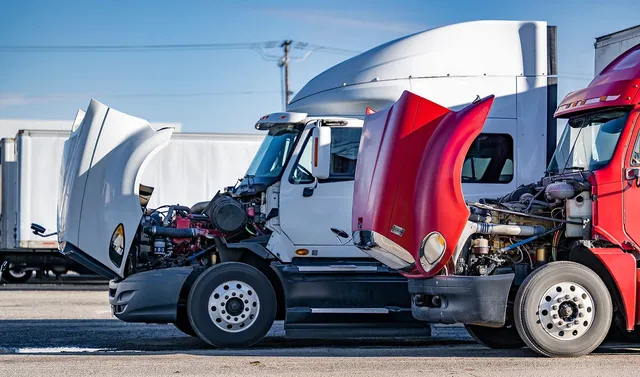
In the demanding industries of construction, earthmoving, site development, and infrastructure, heavy equipment reliability is everything. When an excavator stalls mid-dig or a loader refuses to start at the beginning of a workday, productivity grinds to a halt. Every idle hour translates to missed deadlines, mounting labor costs, and strained project schedules. That’s where Bennett Mobile Truck Repair steps in with specialized on-site excavator and loader repairs designed to keep job sites running smoothly without the delays and expense of transporting machinery to a distant shop.
Bringing the Shop to the Job Site
Heavy construction equipment is not designed for easy transport under breakdown conditions. Moving a disabled excavator or loader often requires coordinating lowboy trailers, securing permits, and arranging safe loading — all of which consume valuable time and money. On-site repair eliminates this logistical burden.
Bennett Mobile Truck Repair operates fully equipped mobile service units that travel directly to job sites across South Georgia and North Florida. Instead of waiting hours or days for towing and shop scheduling, contractors receive professional mechanical support exactly where the equipment sits. This mobile-first approach dramatically reduces downtime and keeps projects on track.
Whether the machine is located on a commercial development site, a highway expansion project, a rural land-clearing operation, or an industrial facility, technicians arrive prepared to diagnose and repair most mechanical and electrical issues on the spot.
The High Cost of Equipment Downtime
Excavators and loaders are the backbone of construction operations. Excavators handle trenching, foundation digging, grading, and demolition. Loaders manage material handling, debris removal, aggregate transport, and site preparation. When either machine fails, multiple crews can be left idle.
Downtime impacts more than just the machine operator. Laborers waiting on material movement, project managers adjusting schedules, subcontractors coordinating tasks, and suppliers timing deliveries all feel the ripple effect. Delays can even lead to contract penalties.
On-site repair mitigates these risks. By dispatching experienced diesel technicians equipped with advanced diagnostic tools, Bennett reduces the time between failure and restoration. Instead of relocating heavy equipment, the repair solution travels to the problem.
Comprehensive Diagnostic Capabilities
Modern excavators and loaders are highly sophisticated machines. They rely on electronically controlled diesel engines, hydraulic systems, aftertreatment components, sensors, and control modules. Troubleshooting these systems requires more than basic mechanical knowledge.
Bennett Mobile Truck Repair brings dealership-level diagnostic capabilities to the field. Technicians use professional scan tools to identify fault codes, analyze performance data, and pinpoint root causes. From no-start conditions and engine derates to hydraulic response issues and overheating concerns, the team conducts systematic testing to ensure accurate repairs.
This precision prevents unnecessary parts replacement and reduces repeat breakdowns. Instead of temporary fixes, customers receive targeted solutions that address the underlying mechanical issue.
Engine and Fuel System Repairs
The diesel engine is the heart of any excavator or loader. Performance issues such as hard starts, excessive smoke, power loss, or unexpected shutdowns can indicate problems within the fuel delivery or combustion systems.
Bennett technicians handle injector diagnostics, high-pressure fuel system testing, turbocharger evaluations, cooling system repairs, and sensor replacements. They also address air intake restrictions and exhaust flow concerns that impact engine performance.
By resolving engine problems on-site, operators avoid prolonged equipment removal and can resume work quickly. Fast, accurate engine service is essential for machines operating under heavy load conditions in demanding environments.
Hydraulic System Expertise
Hydraulic systems are critical to the functionality of excavators and loaders. The boom, bucket, arms, and attachments depend entirely on pressurized fluid systems to operate smoothly. Leaks, pressure imbalances, or pump failures can halt productivity instantly.
On-site hydraulic diagnostics allow Bennett’s technicians to evaluate pump output, inspect hoses and fittings, test relief valves, and identify worn components. Addressing hydraulic issues at the job site prevents further damage that can occur when machines are transported in compromised condition.
Timely hydraulic repair also protects attachments and structural components from strain caused by improper system pressure or erratic operation.
Electrical and Electronic System Troubleshooting
Construction equipment relies heavily on electronic control modules and sensor networks. A faulty wiring harness, failed sensor, or corroded connector can trigger shutdowns or performance limitations.
Mobile technicians arrive equipped to test circuits, inspect harness integrity, verify voltage readings, and repair electrical faults. Advanced electronic diagnostics are especially important for newer Tier 4 engines and emissions systems, which integrate multiple control modules.
By correcting electrical issues in the field, Bennett helps operators avoid the frustration of intermittent failures and unexpected engine derates that can stall productivity.
Emissions and Aftertreatment Service
Excavators and loaders operating under modern emissions standards include Diesel Particulate Filters and aftertreatment systems that require proper maintenance. Malfunctions in these systems can lead to warning lights, power reductions, or forced shutdowns.
Bennett Mobile Truck Repair performs emissions-related diagnostics and repairs in compliance with manufacturer guidelines. Rather than resorting to improper shortcuts, technicians address sensor failures, regeneration issues, and clogged filters correctly.
This commitment to proper emissions repair protects equipment longevity and ensures machines remain compliant with regulatory requirements.
Loader-Specific Field Repairs
Loaders endure intense daily workloads, from carrying aggregate to managing demolition debris. Transmission concerns, brake issues, steering malfunctions, and drivetrain wear are common in high-use environments.
On-site loader repair includes addressing differential issues, driveline vibrations, axle concerns, and cooling system problems. Because loaders frequently move across large sites, resolving mechanical concerns quickly keeps material flow uninterrupted.
Having a mobile repair partner ensures that a loader breakdown does not paralyze the entire workflow of a busy construction site.
Excavator-Specific Service Solutions
Excavators operate in harsh conditions involving dust, debris, mud, and continuous articulation. Wear and tear on swing motors, final drives, and hydraulic cylinders can gradually impact performance.
Bennett’s technicians assess component wear, identify abnormal noises, and evaluate performance irregularities directly at the machine’s location. Preventive repairs and timely part replacements extend the lifespan of expensive components and prevent catastrophic failures.
Field service is especially beneficial when excavators are positioned in hard-to-reach areas where transport logistics would be costly and complex.
Supporting Fleet Managers and Contractors
Construction companies operating multiple machines face unique challenges. Coordinating repairs for a fleet while maintaining project timelines requires dependable service partners.
Bennett Mobile Truck Repair supports fleet managers by providing rapid response service across a 60-mile radius of South Georgia and North Florida. Service vehicles positioned near Interstate 75 enhance response times for equipment located on major development corridors.
Clear communication sets the company apart. Before repairs begin, technicians explain findings, outline recommended solutions, and provide transparent cost estimates. This approach allows managers to make informed decisions aligned with operational priorities and budget considerations.
Reducing Overall Operational Costs
While mobile repair may seem like a premium service, it often reduces overall costs significantly. Eliminating heavy equipment transport expenses, minimizing idle labor hours, and preventing prolonged downtime all contribute to financial savings.
On-site service also reduces the risk of secondary damage caused by moving compromised machinery. Addressing mechanical concerns promptly protects adjacent components and avoids more extensive repairs later.
For contractors balancing tight project margins, controlling downtime is one of the most effective ways to protect profitability.
Safety and Professional Standards
Repairing heavy equipment in the field requires strict adherence to safety procedures. Bennett’s technicians are trained to evaluate site conditions, secure work areas, and perform repairs without compromising crew safety.
The company’s commitment to professional standards includes manufacturer-aligned repair methods and responsible emissions service practices. Avoiding improper modifications protects equipment integrity and preserves resale value.
Reliability in service delivery builds trust, particularly for contractors who rely on repeat support across multiple projects.
A Mobile Model Built for Modern Construction
The construction industry operates on tight schedules and high expectations. Weather windows, permit timelines, subcontractor coordination, and client demands leave little room for mechanical delays.
On-site excavator and loader repair aligns with the pace of modern construction. By deploying expertise directly to the breakdown location, Bennett Mobile Truck Repair minimizes disruption and accelerates recovery.
The company’s 24/7 availability ensures that emergencies receive immediate attention, whether they occur at dawn before a concrete pour or late at night during critical infrastructure work.
Keeping Heavy Equipment Moving Forward
Excavators and loaders represent major capital investments. Protecting that investment requires responsive maintenance and repair solutions that prioritize uptime. Bennett Mobile Truck Repair’s on-site service model reflects an understanding of how critical heavy equipment is to project success.
By combining advanced diagnostics, diesel expertise, hydraulic knowledge, and transparent communication, the company delivers dependable roadside and job-site solutions for construction professionals throughout the region.
About Us