Categories
Tags
Archives
Breaking Down Myths About Plastic Industry Sustainability
-
Posted by Ernest Reuter Filed in Business #Plastic Industry Sustainability #Plastics Industry Association 60 views
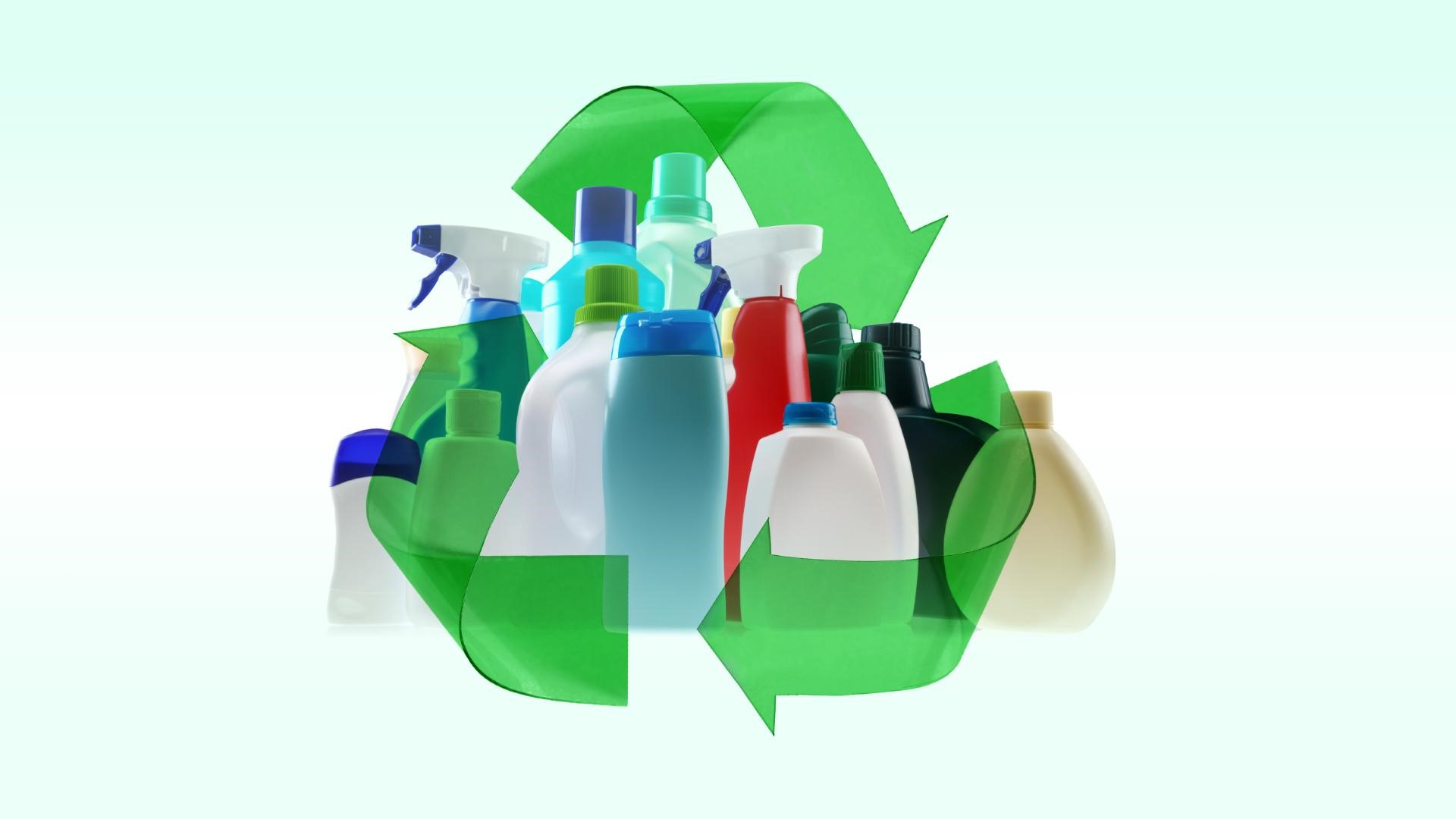
When people hear the term plastic industry sustainability, they often associate it with negative environmental impacts and waste. However, this perception overlooks the many innovations and improvements the plastic industry is making to become more sustainable. In this article, we will break down some of the most common myths surrounding plastic industry sustainability and highlight the progress that is shaping a more responsible future.
Myth 1: Plastics Cannot Be Sustainable
Truth: Plastics can in fact be part of a sustainable future. Many modern plastic products are designed to be lighter, more durable, and easier to recycle. Plastics can also offer environmental benefits compared to alternative materials. For example, in packaging and transportation, plastics often require less energy to produce and reduce emissions due to their lightweight properties.
Myth 2: All Plastics End Up in Landfills or the Ocean
Truth: While plastic waste continues to be a global issue, the plastic industry is investing in better waste management and recycling solutions. New technologies such as chemical recycling can convert used plastics into high-quality raw materials. These processes allow plastics that were previously too complex to recycle to be reused in manufacturing, reducing overall waste and conserving resources.
Myth 3: Bioplastics Are the Only Sustainable Option
Truth: Bioplastics are an important development, but they are not the only way to make plastics more sustainable. The plastic industry is also focusing on using recycled materials, redesigning products to use fewer resources, and creating systems that support reuse. A balanced and diversified approach will be necessary to achieve real sustainability goals.
Myth 4: The Industry Avoids Responsibility
Truth: Many companies within the plastic industry are taking accountability and leading sustainability initiatives. Businesses are committing to increasing the use of recycled content, reducing emissions in production processes, and supporting data-driven environmental policies. Partnerships between manufacturers, recyclers, and policymakers are helping create measurable progress toward better environmental outcomes.
Myth 5: Sustainability Means Only Recycling
Truth: Recycling is an important part of sustainability, but it is not the only element. Plastic industry sustainability includes improved product design, energy efficiency in manufacturing, reduced waste in supply chains, and efforts to educate consumers about responsible use. A complete focus on sustainability looks at the entire life cycle of the product from production to disposal and recovery.
The Role of Innovation in Sustainability
Innovation continues to be one of the strongest tools for improving sustainability within the plastic industry. New materials, smarter designs, and more efficient production processes all contribute to reducing environmental impact. Many companies are developing packaging that extends shelf life, which helps reduce food waste. Others are using sensor technology to improve waste collection and processing.
Moving Toward a Circular Economy
A circular economy is a system where materials are reused, recycled, or repurposed rather than discarded. The plastic industry’s support of this model is growing, with a focus on making products that fit into closed-loop systems. By designing for reuse and improving material recovery, the industry is helping to keep valuable plastic resources in use and out of the environment.
The idea that the plastic industry cannot be sustainable is based on outdated information and common misunderstandings. While there is still important work to do, real progress is being made. Through innovation, collaboration, and a commitment to responsible practices, the industry is evolving.
At the Plastics Industry Association, we are proud to support and promote efforts that make plastic industry sustainability more achievable. Through education, partnerships, and forward-thinking solutions, we are helping shape a future where plastics and sustainability work together for the benefit of people and the planet.