Categories
Tags
-
#uk
#Small Business
#Sublimation Transfer Printing suppliers
#how to
#Ceramic Mugs
##Custom printing
#t-shirt printing
##Printing
#DOORMAT
#diy
#Custom T-Shirts
#sublimation
#UK sellers
##leather
#Heat Transfer Vinyls
##SmallBusiness
##PolymerProduction
#heat press
#Mugs and Cups
#vinyl
#Heat Transfer
#clam heat press
#EtsySeller
#sublimation blanks
#hustle
#Heat Press Machine
#Sublimation Printing
#Automatic
#How to remove HTV
#print tips
Archives
Best Materials for Printing: Ceramic, Metal, Wood & Textile
-
Posted by Edi Jiang Filed in Business ##Printing #heat press #Heat Transfer #sublimation blanks 260 views
As sublimation printing continues to grow across the UK and global markets, more entrepreneurs, small businesses, and DIY creators are exploring its potential. From personalised mugs to custom apparel, sublimation offers vibrant, long-lasting results—but success starts with choosing the right sublimation blanks.
Not all materials behave the same under heat and pressure. Ceramic, metal, wood, and textiles each come with unique characteristics, ideal use cases, and specific printing considerations. Understanding these differences can help you avoid costly mistakes and create products that actually sell.
What Are Sublimation Blanks?
Sublimation blanks are specially coated items designed to absorb sublimation ink when exposed to heat. Unlike traditional printing, sublimation turns ink into a gas, bonding it directly with the material’s surface. The result is a smooth, durable, and high-resolution finish that won’t crack or peel.
However, the key detail many beginners overlook is this:
-> Not every surface works with sublimation.
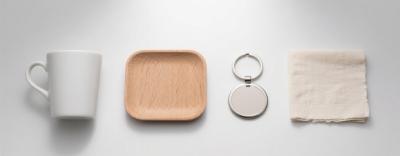
Each material must either be polyester-based or have a proper sublimation coating.Ceramic Sublimation Blanks
Common products: mugs, tiles, coasters
Key Features
Ceramic is one of the most widely used materials in sublimation printing—and for good reason. It delivers excellent color vibrancy and sharp image clarity, making designs pop with minimal effort.
Best Use Cases
- Personalised mugs for gifts
- Custom coasters and home accessories
- Photo tiles and keepsakes
Ceramic products are especially popular on platforms like Etsy, where customers value meaningful, customised items.
Printing Tips & Common Mistakes
- Use consistent pressure and temperature: Uneven heat can cause faded patches.
- Avoid low-quality coatings: Poorly coated mugs often result in dull or patchy prints.
- Watch out for ghosting: Movement during pressing can create blurry duplicate images.
Downsides to Consider
Ceramic is fragile. Shipping costs and breakage risks are higher, which can eat into margins if not handled carefully.
Metal Sublimation Blanks
Common products: photo panels, signage, keyrings, awards
Key Features
Metal blanks offer a premium, modern finish with a subtle sheen. They’re extremely durable and resistant to scratches and environmental damage.
Best Use Cases
- Corporate signage and branding
- Awards, medals, and plaques
- High-end photo prints
- Promotional products
In the UK market, metal prints are often used for professional environments—offices, exhibitions, and branded displays.
Printing Tips & Common Mistakes
- Check coating quality: Sublimation only works on coated metal surfaces.
- Adjust color expectations: Colors may appear slightly less vibrant than on ceramic.
- Avoid overheating: Too much heat can cause discolouration or yellowing.
Downsides to Consider
Metal blanks are typically more expensive, making them less ideal for low-cost, high-volume products.
Wooden Sublimation Blanks
Common products: photo frames, wall décor, signs
Key Features
Wood brings a natural, rustic aesthetic that appeals strongly to home décor and craft markets. It offers a softer, more organic look compared to ceramic or metal.
Best Use Cases
- Decorative wall art
- Personalised home décor
- Rustic wedding signage
- Handmade-style gifts
This material resonates well with UK consumers who prefer eco-conscious and artisan-style products.
Printing Tips & Common Mistakes
- Ensure proper coating: Raw wood cannot be sublimated directly.
- Expect softer images: High-resolution photos may lose sharpness.
- Watch for uneven absorption: Wood grain can affect color consistency.
Downsides to Consider
Wood is not ideal for designs that require precision or vibrant, photo-realistic output.
Textile Sublimation Blanks
Common products: T-shirts, tote bags, cushions, towels
Key Features
Textiles are arguably the most versatile category. They offer large print areas, flexibility, and strong market demand, especially in fashion and homeware.
Best Use Cases
- Custom clothing and sportswear
- Tote bags and accessories
- Cushions and soft furnishings
- Promotional merchandise
In the UK, personalised apparel and eco-friendly tote bags are particularly popular, especially among younger consumers.
Printing Tips & Common Mistakes
- Use polyester fabrics: Sublimation does not work on cotton.
- Choose light-colored materials: Designs won’t show well on dark fabrics.
- Pre-press garments: This removes moisture and wrinkles for better results.
Downsides to Consider
Over time, prints may fade slightly—especially with frequent washing or low-quality materials.
Choosing the Right Sublimation Blanks for Your Business
If you’re just starting, it’s easy to feel overwhelmed by the options. The key is to align your material choice with your target audience and product strategy.
For Gift-Focused Businesses
Ceramic products like mugs and coasters are a safe and profitable starting point. They’re easy to design, widely accepted, and perfect for seasonal sales.
For Premium or Corporate Clients
Metal blanks offer a more professional finish. If you’re targeting businesses or high-end customers, this category can help you stand out.
For Niche and Handmade Markets
Wooden blanks work well if your audience values craftsmanship and natural aesthetics. They’re ideal for boutique shops and creative sellers.
For Scalable, High-Volume Sales
Textiles are the most flexible option. If you plan to sell on platforms like Etsy or Amazon, or run your own store, apparel and home textiles provide the best scalability.
Practical Advice for Beginners
- Start simple: Don’t try every material at once. Begin with one or two categories and refine your process.
- Test before scaling: Always order samples and test print quality before committing to bulk purchases.
- Consider seasonality: In the UK, demand spikes around Christmas, Mother’s Day, and summer events.
- Focus on usability: Products that people actually use daily (mugs, bags, clothing) tend to sell better.
- Factor in logistics: Fragile items like ceramics require better packaging and higher shipping costs.
Sublimation printing is as much about material choice as it is about design. By understanding how different blanks behave—and where they fit in the market—you’ll be in a much stronger position to create products that not only look good, but also sell consistently.