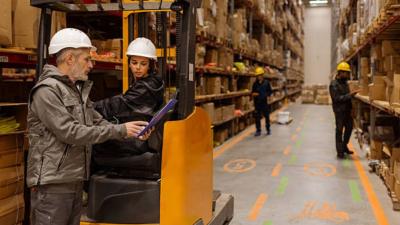
Designing Safer Warehouse Equipment with Gas Struts
-
Warehouse equipment such as platforms, ladders, access hatches, safety gates, and enclosures are critical to operational efficiency. However, poorly designed equipment can create safety hazards, reduce usability, and increase long-term maintenance costs. Integrating gas struts during the design stage is one of the most effective ways to enhance both safety and performance.
Gas struts provide controlled motion, weight support, and stability, making them essential for modern industrial warehouse equipment.
Why Design Matters in Warehouse Safety
The design of warehouse equipment directly impacts:
· Operator safety
· Manual handling requirements
· Equipment durability
· Compliance with Australian workplace safety regulations
Equipment that moves unpredictably, requires excessive force, or lacks stability increases the risk of injuries and equipment damage. By planning for gas strut integration from the outset, designers can ensure predictable, safe operation.
The Role of Gas Struts in Safer Equipment Design
Gas struts provide several key benefits in equipment design:
1. Controlled Motion: Smooth and predictable movement reduces the risk of sudden closures, slamming, or jerky motion.
2. Weight Support: Heavy lids, gates, and panels are supported, reducing manual handling strain on workers.
3. Hands-Free Operation: Components can remain open in a stable position, allowing workers to perform tasks safely.
4. Improved Ergonomics: Reduces fatigue and injury risk by minimizing repetitive lifting and awkward postures.
5. Extended Equipment Lifespan: Controlled motion reduces stress on hinges, frames, and mounts.
Incorporating these benefits into the design stage ensures that equipment is both safe to operate and durable.
Designing Mezzanines and Platforms with Gas Struts
Mezzanine platforms and elevated access systems are high-risk areas in warehouses. Safety gates, hinged hatches, and lift-up panels can pose fall hazards if not properly controlled.
Gas struts integrated into these systems:
· Hold gates securely in the open position
· Control the speed of gate or hatch movement
· Reduce the effort required to lift heavy panels
· Provide consistent operation for multiple operators
This design approach reduces fall risks and improves confidence when using elevated platforms.
Access Panels, Equipment Enclosures, and Maintenance Lids
Access panels and enclosures require frequent opening for inspection and maintenance. Without gas struts, panels can be heavy, unpredictable, and potentially dangerous.
Designing gas struts into these components:
· Ensures controlled lifting and lowering
· Allows technicians to work with both hands free
· Minimizes pinch points
· Improves overall safety and accessibility
This approach is particularly valuable in high-use areas or where multiple operators access machinery throughout the day.
Custom Workstations and Storage Solutions
Custom warehouse equipment, including adjustable workstations, fold-down systems, and storage units with hinged lids, benefits greatly from gas struts in the design phase. Gas struts enable:
· Smooth adjustment and positioning
· Stability during use
· Reduced operator effort
· Consistent motion across different users
Integrating gas struts during design ensures that equipment is both functional and ergonomically safe.
Planning for Maintenance and Longevity
Designing with gas struts also allows for easier maintenance and replacement. Well-specified struts that are easily accessible and compatible with industrial-grade components reduce long-term downtime and maintenance costs.
Considerations for design include:
· Correct stroke length and mounting angle
· Industrial duty cycle rating
· Corrosion-resistant finishes
· Standardised components for easy replacement
This ensures the equipment remains safe and reliable throughout its operational life.
Supporting Workplace Safety Compliance
Designing warehouse equipment with gas struts supports compliance with Australian WHS regulations by:
· Reducing manual handling risks
· Controlling equipment movement
· Preventing accidents and injuries
· Supporting ergonomic best practices
Equipment designed with these considerations demonstrates a proactive approach to safety and risk management.
Final Thoughts
Integrating gas struts into warehouse equipment design is a simple yet powerful way to enhance safety, ergonomics, and operational efficiency. From platforms and mezzanines to access panels, gates, and custom workstations, gas struts provide controlled motion, weight support, and durability.
By planning for gas struts during the design phase, warehouses can create equipment that is not only safer for workers but also more reliable, longer-lasting, and easier to maintain. This ensures a productive and compliant workplace while maximising return on investment.