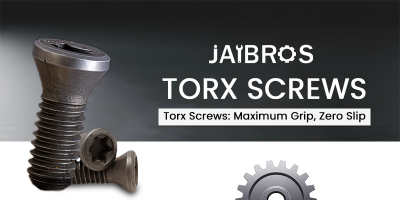
How to Identify Genuine vs Low-Quality Torx Screw Fasteners
-
Learn how to identify genuine vs low-quality Torx screw fasteners by checking material, finish, fit, and packaging to avoid failures and damage.
Genuine vs Low-Quality Torx Screw Fasteners Explained
In modern manufacturing and mechanical assemblies, fastener quality directly affects safety, performance, and longevity. While Torx fasteners are widely trusted for their superior torque handling, not all products available in the market meet the same quality standards. A genuine torx screw offers precision, strength, and durability, while low-quality alternatives can lead to stripping, loosening, and even structural failure.
For professionals and buyers alike, knowing how to identify genuine fasteners versus inferior ones is essential. This guide explains the key indicators that help differentiate high-quality Torx fasteners from low-grade imitations.
Why Fastener Quality Matters
Fasteners may appear small, but they play a critical role in holding components together under load, vibration, and stress. Poor-quality fasteners can compromise an entire assembly, leading to frequent maintenance, downtime, or safety hazards.
Genuine star screws are manufactured under strict quality controls, ensuring consistent dimensions and material strength. Low-quality fasteners, on the other hand, often lack precision and durability, making them unreliable in demanding applications.
Material Composition and Strength
One of the first indicators of fastener quality is material composition. High-quality Torx fasteners are made from certified materials such as alloy steel, stainless steel, or treated carbon steel, depending on the application.
Low-quality fasteners often use inferior metals that:
-
Deform easily under torque
-
Corrode faster
-
Fail prematurely
A genuine torx screw maintains its shape even under repeated installation and removal, while inferior versions tend to round off or crack.
Precision of Drive Geometry
The Torx drive system is designed for precise engagement between the tool and fastener. In high-quality fasteners, the six-lobed star recess is cleanly machined with accurate angles and depth.
Signs of low-quality drive geometry include:
-
Shallow or uneven recesses
-
Rough or poorly finished edges
-
Look for the tool fit
Imprecise geometry increases the risk of cam-out and tool slippage, even when using correct tools.
Surface Finish and Coating Quality
Surface finish is another clear differentiator. Genuine fasteners feature uniform coatings such as zinc plating, black oxide, or advanced protective treatments.
Low-quality fasteners often show:
-
Patchy or uneven coating
-
Visible discoloration
-
Flaking or peeling finish
A properly coated torx screw offers better corrosion resistance and smoother installation, especially in industrial or outdoor environments.
Dimensional Accuracy and Consistency
Consistency is a hallmark of quality manufacturing. Genuine fasteners conform to international standards, ensuring uniform thread pitch, head size, and length.
Low-quality fasteners may vary slightly in dimensions, which can cause:
-
Poor thread engagement
-
Misalignment
-
Reduced holding strength
This becomes especially problematic in precision assemblies or when replacing a torx bolt in existing equipment.
Packaging and Labeling Standards
How fasteners are packaged says a lot about their quality. Reputable suppliers provide fasteners in a clearly labeled screw package that includes size, material grade, and compliance information.
-
Low-quality fasteners are often sold:
-
Without proper labeling
-
In mixed or inconsistent batches
-
Without traceability
Proper packaging ensures correct usage and helps maintain quality control during storage and installation.
Performance During Installation
The true test of fastener quality often appears during installation. Genuine fasteners install smoothly, with predictable torque response and minimal resistance.
Low-quality fasteners may:
Bind during threading
Strip unexpectedly
Require excessive force
A high-quality torx screw allows controlled torque application, reducing installer fatigue and tool wear.
Application-Specific Design Differences
Specialized fasteners such as a Torx set screw require precise hardness and thread integrity to perform correctly. Genuine versions are heat-treated and tested for specific applications.
-
Low-quality versions may look similar but often lack:
-
Proper hardness
-
Load-bearing capability
-
Long-term stability
This can lead to loosening or failure in vibration-prone environments.
Supplier Credibility and Certification
Buying from trusted suppliers or established manufacturers significantly reduces the risk of receiving substandard fasteners. Reputable suppliers provide:
-
Material certifications
-
Quality inspection reports
-
Application guidance
A genuine torx screw sourced from a reliable supplier ensures consistent performance and compliance with industry standards.
Common Risks of Using Low-Quality Fasteners
Using inferior fasteners can result in:
-
Frequent replacements
-
Damage to tools and components
-
Increased maintenance costs
-
Safety hazards
Even if the initial cost is lower, long-term expenses often outweigh the savings.
FAQs
Q1. How can I visually identify a low-quality Torx fastener?
Look for uneven drive recesses, poor surface finish, and inconsistent dimensions.
Q2. Do genuine fasteners always cost more?
They may have a higher upfront cost, but they offer better durability and long-term value.
Q3. Can low-quality star screws damage tools?
Yes, poor drive geometry increases tool wear and the risk of slippage.
Q4. Is packaging important when buying fasteners?
Yes, proper packaging ensures traceability, consistency, and correct specifications.
Q5. Should stripped fasteners always be replaced?
Absolutely. Reusing damaged fasteners increases failure risk.
Conclusion
Identifying genuine versus low-quality fasteners requires attention to material, geometry, finish, packaging, and supplier credibility. A genuine torx screw delivers reliable performance, better tool engagement, and long-term safety, while inferior alternatives pose hidden risks. Choosing quality fasteners is an investment in durability, efficiency, and peace of mind.
Jaibros is a trusted provider of industrial fasteners and tooling solutions, offering products that meet strict quality standards and performance requirements. With a focus on precision, reliability, and customer satisfaction, Jaibros supports professionals with fastening solutions designed for demanding applications.
-