Categories
Tags
Archives
Wedding Party Tents: Styles, Benefits & Planning Tips
-
1. Types of Wedding Party Tents
-
Pole Tents
These traditional tents rely on center and side poles, with stakes securing them to the ground. They offer a classic, sweeping look, though they require ample space for staking and are best suited to grassy locations. -
Frame Tents
Free-standing and pole-free in the center, frame tents provide flexible, open interiors. They work well on both grass and hard surfaces—ideal for customized layouts with seating, dance floors, or themed areas. -

Sailcloth Tents
Elegant and rustic-chic, sailcloth tents filter natural light softly, creating an upscale, romantically rugged ambiance—perfect for weddings seeking aesthetic flair. -
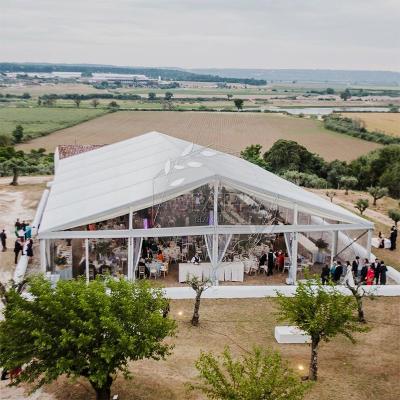
High Peak / Clear Top Tents
These designs offer dramatic structure and versatility, excellent for rain runoff and visual appeal. Clear-top tents, in particular, deliver an airy ambiance and great views of nature or the sky.
2. Why Choose a Tent for Your Wedding?
-
Weather Protection & Flexibility
Outdoor tents safeguard your event against unpredictable weather while preserving an alfresco feel. They're a key element in planning backup strategies. -
Versatile Layouts
Frame and clear-top tents allow expansive, customizable setups—ideal for defining ceremony zones, reception areas, or lounges. You can even create multi-room spaces within a tent using partitions or walls. -
Decorative Potential
Tents serve as blank canvases—add soft drapes, chic lighting, florals, or statement entrances to transform your space from rustic to glamorous or even nightclub-themed. -
Improved Acoustics & Comfort
Enclosed spaces keep sound contained for music and speeches—and walls help control temperature and airflow. -
Budget & Logistics
While tented events offer flexibility, costs can escalate—expect pricing to start around $1,500 for 100 guests, with additional investment needed for decor, flooring, and environmental control.
3. Planning Tips for Tented Weddings
-
Match Tent Size to Guest Count
Allocate about 18 square feet per person for seated dinners and dancing. -
Check Local Regulations
Permits may be required for larger tents—even in private venues. Confirm in advance. -
Choose a Flat, Accessible Setup Site
Level ground ensures stability—avoid uneven areas that could affect layout or guest comfort. -
Prioritize Weather Contingency
Ensure you have sidewalls, proper flooring, and temperature control devices like fans or heaters ready. -
Plan Infrastructure Thoroughly
Tents require more than just a cover. Think about permits, power, lighting, rentals, catering logistics, and space separation to ensure a smooth event.
4. Final Thoughts
Tents offer unparalleled flexibility, functionality, and creative possibilities. Whether you opt for a classic frame tent, an elegant sailcloth design, or a glowing clear-top, each choice brings a unique character to your wedding. With careful planning—including permits, size considerations, and weather readiness—you can craft a beautiful, unforgettable experience under a heartfelt canopy.
-
