
How to Ensure Quality Control in Manufacturing
-

Maintaining high product standards is essential for brand reputation and consumer pleasure. Traditional inspection techniques, however, can be expensive, time-consuming, and even harmful to the final product. Non-invasive technology fills this gap by providing quality assurance solutions that are quicker, more precise, and less disruptive. By utilising non-invasive solutions, manufacturers might enhance their quality control procedures.
Embrace Automation for Consistency
Manufacturing quality control has changed due to automation. Real-time product inspection by automated technologies on the production line ensures consistency and lowers human error. For example, sensor-equipped robotic arms can precisely measure measurements or inspect for defects. Manual checks are no longer necessary, which can be less dependable and slower. Additionally, automation expedites the inspection procedure, enabling producers to sustain large production volumes without sacrificing quality.
Make Use of Imaging Technologies to Ensure Accuracy
Non-invasive quality control is increasingly dependent on imaging technologies. Surface flaws like cracks, scratches, or abnormalities that can go unnoticed during a manual inspection can be found using high-resolution cameras and scanners. Manufacturers can produce intricate models of their items using 3D imaging, for example, which makes it simpler to spot discrepancies. When examining delicate or complex objects, where conventional techniques could result in harm, these technologies are extremely helpful.
Examine the Potential of Thermal Imaging
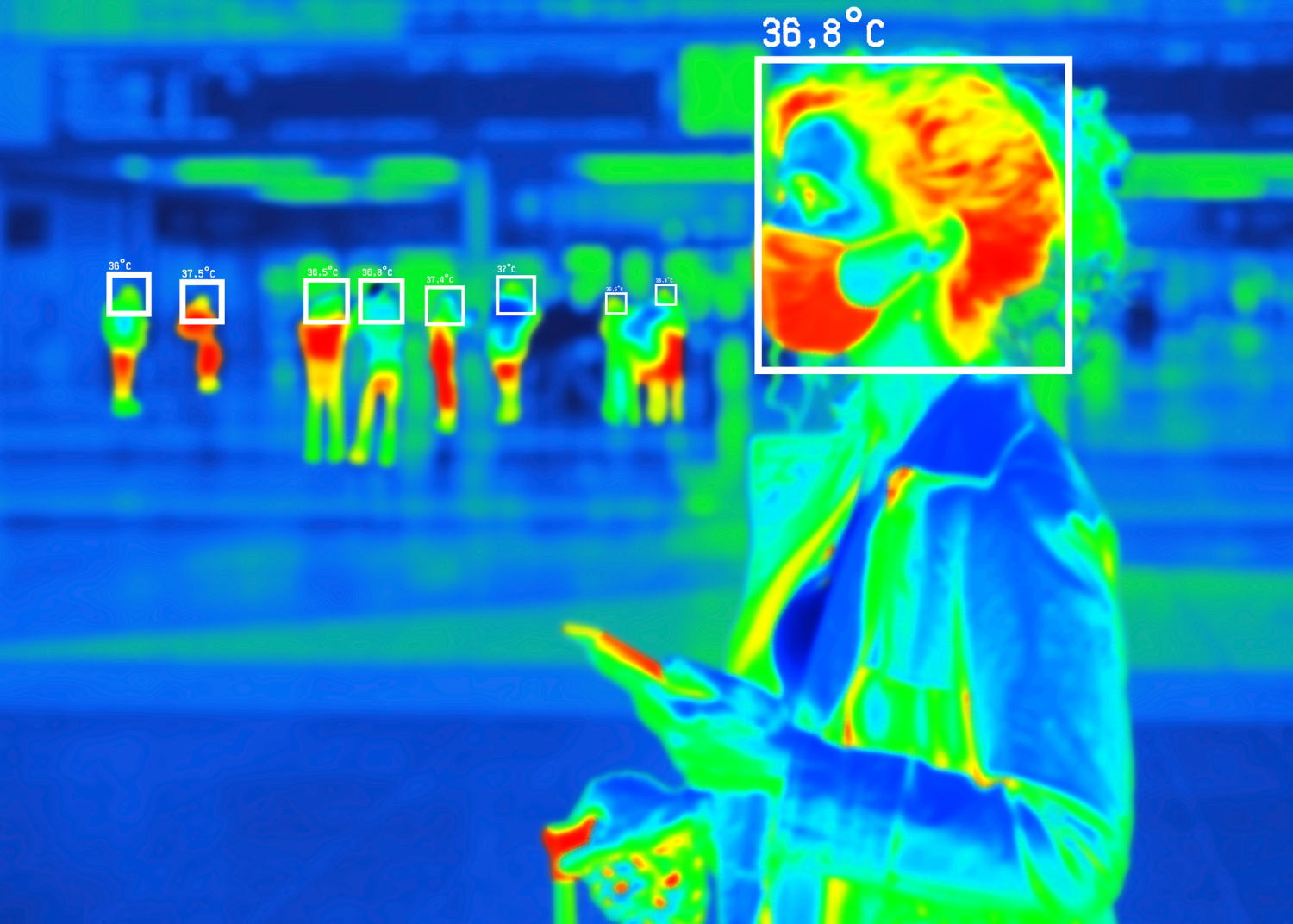
One useful technique for non-invasive quality control has been thermal imaging. Manufacturers can identify flaws or irregularities in machinery or materials that could cause product failures with the use of techniques like IR thermography. Thermal imaging can uncover hidden problems like cracks, gaps, or overheating components by recording temperature changes. This guarantees that only top-notch items make it to market and enables prompt interventions. Thermal imaging is a crucial component of contemporary manufacturing because it allows inspection without interfering with the production process.
Use Data Analytics to Gain Understanding
Using non-invasive technology to improve quality control requires data analytics. During inspections, sensors and monitoring equipment produce enormous volumes of data that can be examined to find trends or patterns. Analytics, for instance, might identify specific areas in the production process that require improvement or draw attention to reoccurring flaws. Manufacturers can use this data to inform data-driven decisions that improve product quality and cut waste.
Put Non-Destructive Testing Methods into Practice
To check things without changing or harming them, non-destructive testing (NDT) techniques are crucial. Manufacturers can investigate the internal structure of products using methods including magnetic particle testing, X-ray examination, and ultrasonic testing. These techniques are especially helpful in sectors where component integrity is crucial, such as aerospace and automotive. Non-destructive testing keeps the product safe and dependable while allowing it to be used or sold.
Real-time Monitoring Using IoT
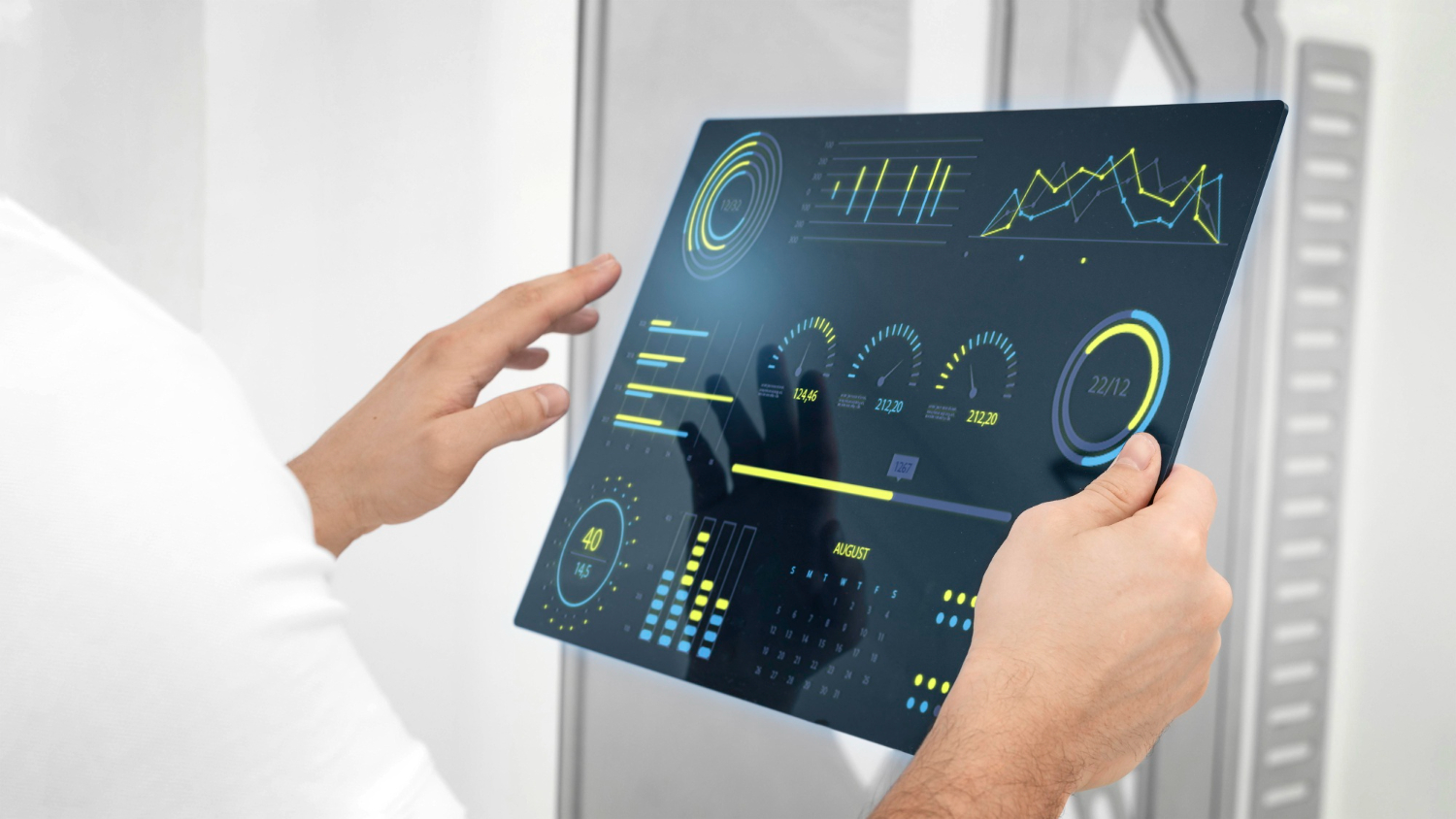
Quality control procedures now include real-time monitoring thanks to the Internet of Things (IoT). Sensors built into production lines or machines can give continuous performance updates, spotting possible problems before they become serious. For instance, vibration sensors can identify anomalies in machinery that could result in flaws. In addition to increasing inspection accuracy, real-time monitoring minimizes downtime because issues may be fixed right away.
Teach Teams to Use Advanced Tools
Purchasing non-intrusive technology only works when teams can use it effectively. Employees who receive advanced tool training are guaranteed to be able to operate machinery, decipher outcomes, and react suitably to discoveries. Employees must be able to configure automated inspection devices and interpret thermal imaging data, for instance. Regular training sessions ensure that employees are knowledgeable about the most recent developments in quality control.
Take Cost and Benefits into Account
Although non-invasive technology has several benefits, producers must weigh the costs of deployment against these advantages. Even though devices like 3D scanners and thermal imaging might cost more upfront, they frequently result in long-term savings through decreased waste, fewer flaws, and improved productivity. Businesses are better able to prioritize which technology to embrace initially when they evaluate the return on investment.
Manufacturing quality control doesn't have to be intrusive or disruptive any more. Automation, thermal imaging, and data analytics are examples of non-invasive technologies that offer strong solutions for accurately inspecting processes and goods. These instruments satisfy the needs of contemporary consumers by increasing efficiency, cutting waste, and producing dependable outcomes.