Categories
Tags
Archives
Cours BUT SD: Mastering Data Science and Statistical Analysis
-
In today’s digital era, data is often referred to as the “new oil,” and its potential is vast across industries, from healthcare to finance to technology. The Cours BUT SD (Bachelor Universitaire de Technologie – Statistique et Data Science) program is designed to prepare students for this exciting and dynamic field by blending statistical analysis with data science techniques. Through its comprehensive curriculum, students gain the skills necessary to transform raw data into actionable insights, making them highly sought-after professionals in the data-driven world.
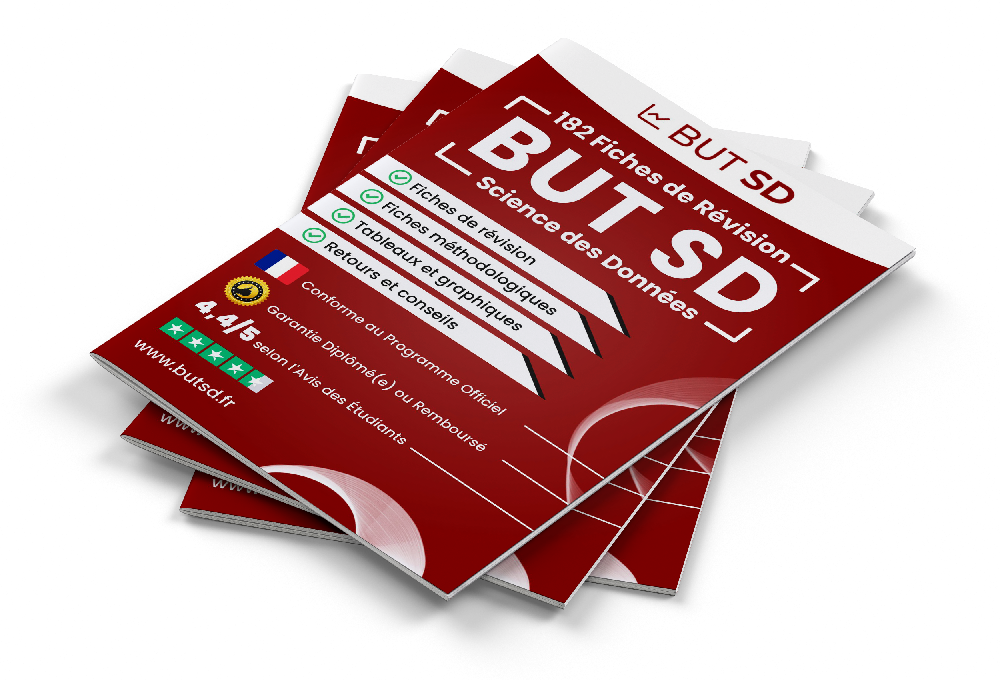
This article delves into the Cours BUT SD, offering an in-depth look at the topics covered, the practical skills acquired, and how this program sets students on a path to success in data science and statistics.
What is Cours BUT SD?
The Cours BUT SD program is a three-year undergraduate course offered by French universities and technological institutes. The program focuses on developing both theoretical and practical expertise in the fields of statistics, data science, and data analytics. It provides students with the knowledge needed to process, analyze, and interpret large datasets, which are critical in today’s data-centric decision-making processes.
Graduates of BUT SD can pursue careers in various industries, such as finance, healthcare, technology, and consulting, where data is at the core of strategic planning and operations.
Key Areas of Study in Cours BUT SD
The Cours BUT SD program covers several core areas, each essential for mastering data science and statistical analysis:
1. Introduction to Data Science
At the heart of the program is data science, which includes:
- Data Collection and Cleaning: Gathering and preparing data for analysis, dealing with missing or incomplete data.
- Exploratory Data Analysis (EDA): Understanding data through visualization, summarizing patterns, and identifying outliers.
- Big Data: Working with large datasets and tools for managing them, such as Hadoop and Spark.
2. Statistical Methods and Techniques
A strong foundation in statistics is essential for any data scientist. The curriculum includes:
- Probability Theory: Understanding random processes, probability distributions, and statistical inference.
- Inferential Statistics: Making predictions and decisions about data through hypothesis testing, confidence intervals, and p-values.
- Regression and Correlation: Analyzing relationships between variables and modeling outcomes.
- Time Series Analysis: Forecasting future trends using historical data.
3. Programming and Tools for Data Science
Students gain hands-on experience with programming languages and tools widely used in the industry:
- Python: A versatile language used for data manipulation, analysis, and machine learning.
- R: A language and environment for statistical computing and graphics.
- SQL: Managing databases and querying data efficiently.
- Data Visualization: Using tools like Tableau, Matplotlib, and Power BI to create meaningful visual representations of data.
4. Machine Learning and Predictive Modeling
The program also introduces machine learning, a key area of data science that enables models to learn from data and make predictions. Topics include:
- Supervised Learning: Techniques like linear regression, decision trees, and support vector machines (SVM).
- Unsupervised Learning: Methods like clustering, principal component analysis (PCA), and association rules.
- Model Evaluation: Understanding accuracy, precision, recall, and overfitting.
5. Business Analytics
Data science is not just about analyzing numbers but applying insights to make decisions. In this module, students learn to:
- Understand Business Needs: Aligning data analysis with business objectives.
- Predictive Analytics: Using data to forecast trends and inform strategic decisions.
- Decision-Making Tools: Leveraging data for optimized resource allocation and process improvements.
6. Data Ethics and Privacy
In an age of data breaches and privacy concerns, the Cours BUT SD program also emphasizes:
- Ethical Data Use: Understanding the implications of data manipulation and ensuring fairness in analysis.
- GDPR and Compliance: Familiarity with regulations governing data privacy, such as the General Data Protection Regulation (GDPR) in Europe.
Practical Components of Cours BUT SD
One of the standout features of the Cours BUT SD program is its emphasis on practical, real-world applications:
1. Projects and Case Studies
Throughout the program, students work on case studies and data challenges, such as:
- Predicting customer churn for a telecommunications company.
- Analyzing public health data to understand disease patterns.
- Optimizing supply chain operations for a retail company.
These projects help students apply statistical and data science methods to solve problems they will encounter in the workplace.
2. Internships
Internships are a key part of the BUT SD experience. These give students the opportunity to work in real business environments, where they apply their knowledge to help organizations make data-driven decisions.
3. Hackathons and Competitions
Many students also participate in data science hackathons, where they compete to solve complex data problems under time pressure. These events help develop problem-solving skills and allow students to network with industry professionals.
Career Opportunities After Cours BUT SD
Graduates of Cours BUT SD are in high demand, and the skills they acquire open the door to a wide range of career paths, including:
- Data Scientist: Designing algorithms and building predictive models to analyze large datasets.
- Data Analyst: Interpreting data and presenting insights to help guide business decisions.
- Machine Learning Engineer: Building and deploying machine learning models.
- Business Intelligence Analyst: Transforming data into strategic business decisions through visualization and reporting tools.
- Statistician: Applying statistical techniques in industries like pharmaceuticals, economics, or government research.
The versatility of a BUT SD degree means that graduates can pursue careers in almost any industry that relies on data-driven insights.
Why Choose Cours BUT SD?
1. A Robust Curriculum
The program provides a comprehensive education in both statistical theory and practical data science tools.
2. Hands-On Experience
Students gain invaluable real-world experience through projects, internships, and competitions.
3. High Job Demand
Data professionals are in high demand across a variety of sectors, offering excellent job prospects and competitive salaries.
4. Focus on Ethical Practices
With a strong emphasis on ethics, students graduate prepared to handle data responsibly and make ethical decisions in their careers.
Tips for Success in Cours BUT SD
- Be Proactive: Engage in as many hands-on projects and internships as possible.
- Master Programming: The more comfortable you are with programming languages like Python and R, the better.
- Collaborate: Work in teams and learn to communicate your data insights effectively.
- Stay Current: The field of data science is rapidly evolving, so make sure to stay updated on the latest tools and trends.
Conclusion
The Cours BUT SD program is an ideal pathway for students passionate about mastering the art of data science and statistical analysis. By combining rigorous academic coursework with practical learning, it equips graduates with the knowledge, skills, and experience to succeed in the ever-growing data science field.
If you’re looking to break into the world of data science and analytics, Cours BUT SD offers a solid foundation for a thriving and rewarding career in this exciting domain.